

Last night, stars took to the feared fashion stairs at the 2026 Met Gala, and the looks didn’t disappoint. This time around, however, I wasn’t just seeking out looks that were stunning or that made statements.
In February, I wrote an article on how I would interpret the Met Gala dress code, so instead, I had my eyes peeled for anyone who shared my visions.

For those who need a recap, the dress code was “Fashion is Art,” which invited attendees to reflect on what fashion as an art form means to them and to revisit “depictions of the dressed body throughout art history.”
The event honored the Metropolitan Museum of Art’s Costume Institute’s spring exhibition “Costume Art,” which will be on display to the public from May 10, 2026, until Jan. 10, 2027.
“Rather than prioritizing fashion’s visuality, which often comes at the expense of the corporeal, Costume Art privileges its materiality and the indivisible connection between our bodies and the clothes we wear,” Andrew Bolton, The Costume Institute’s curator in charge, said.
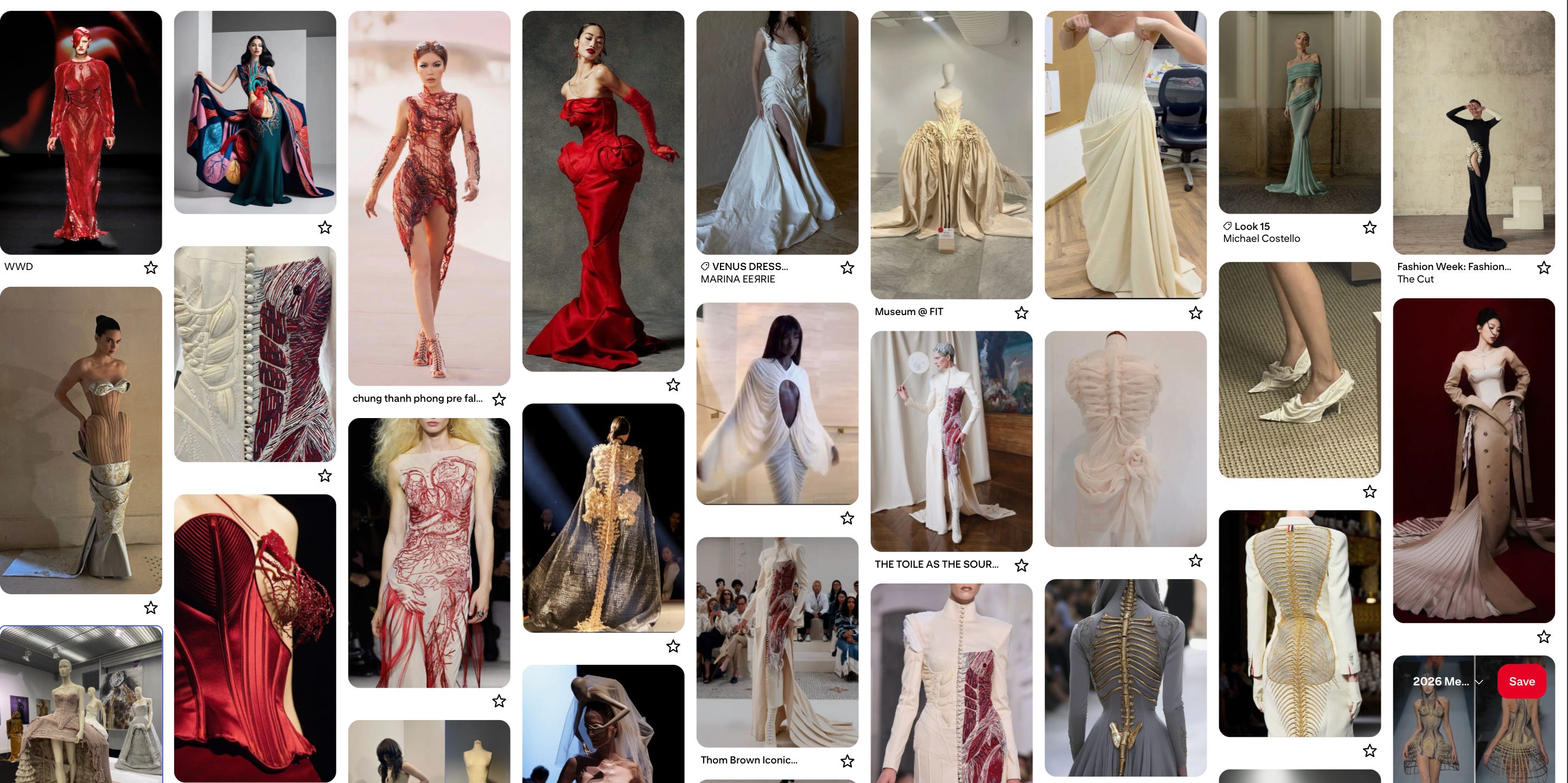
Right after the announcement, I shared three routes I would have explored if I had attended this year’s gala: a fashion-in-progress look, a look that doesn’t let fashion cover my body insecurities, and a look that puts anatomy first.
To my utter excitement, these celebrities were on the same page. Plus, see five attendees whose interpretations of the dress code left me awe struck:
Interpretation #1: A fashion-in-progress look
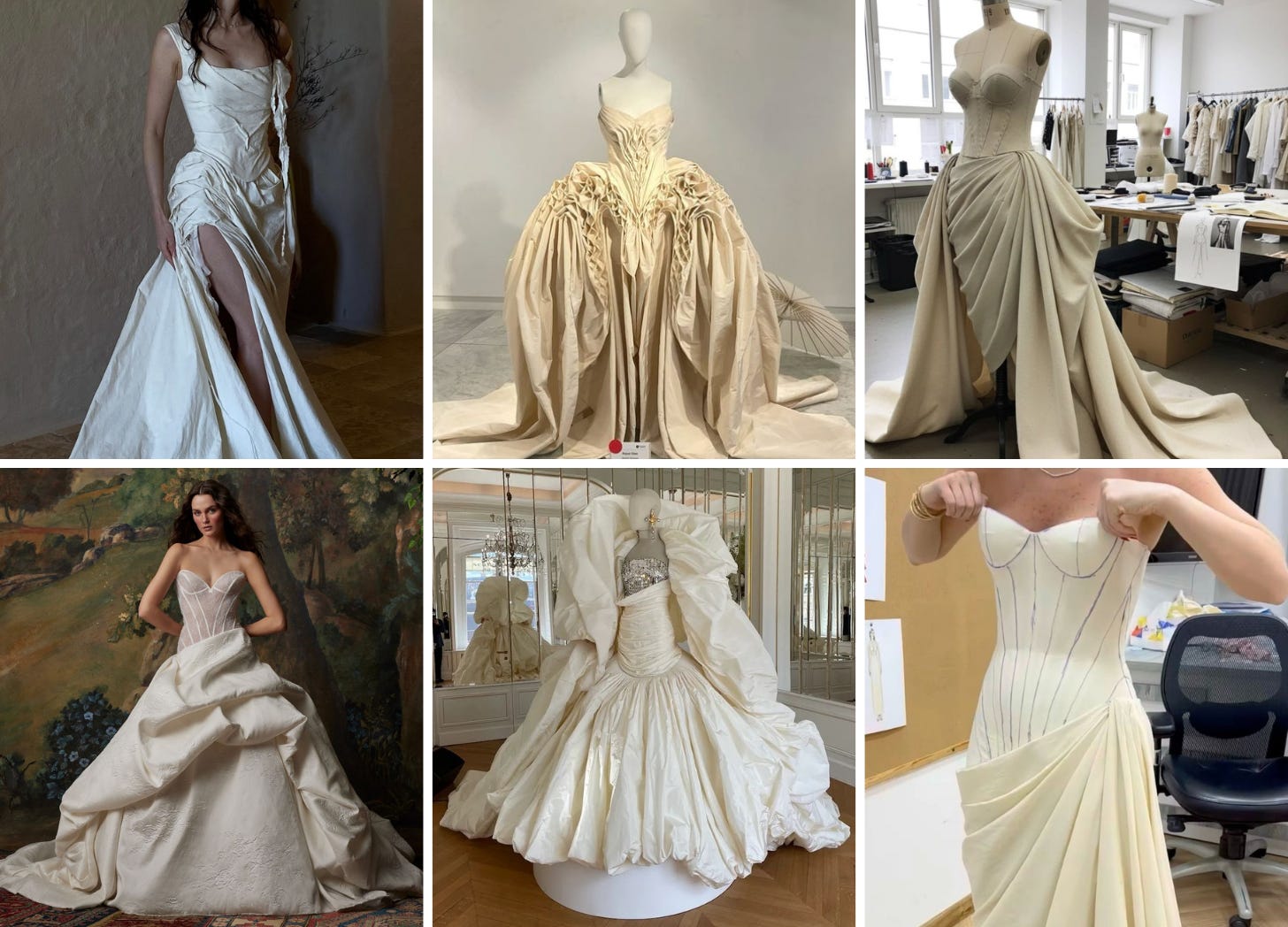
My interpretation from February: The exhibition aims to show that fashion and the body are interdependent. Without a body, there is no function for fashion. And without fashion, the body is without something essential to our society.
But when a look is completed, we see the fashion first.
Rather than the final product, it’s in the process of creating the fashion that we focus on the body, its curves, and its relationship to the fabric.
I would show this intimate dynamic between the body and the creation of fashion art with an incomplete look, from draping to chalk marks and pins.
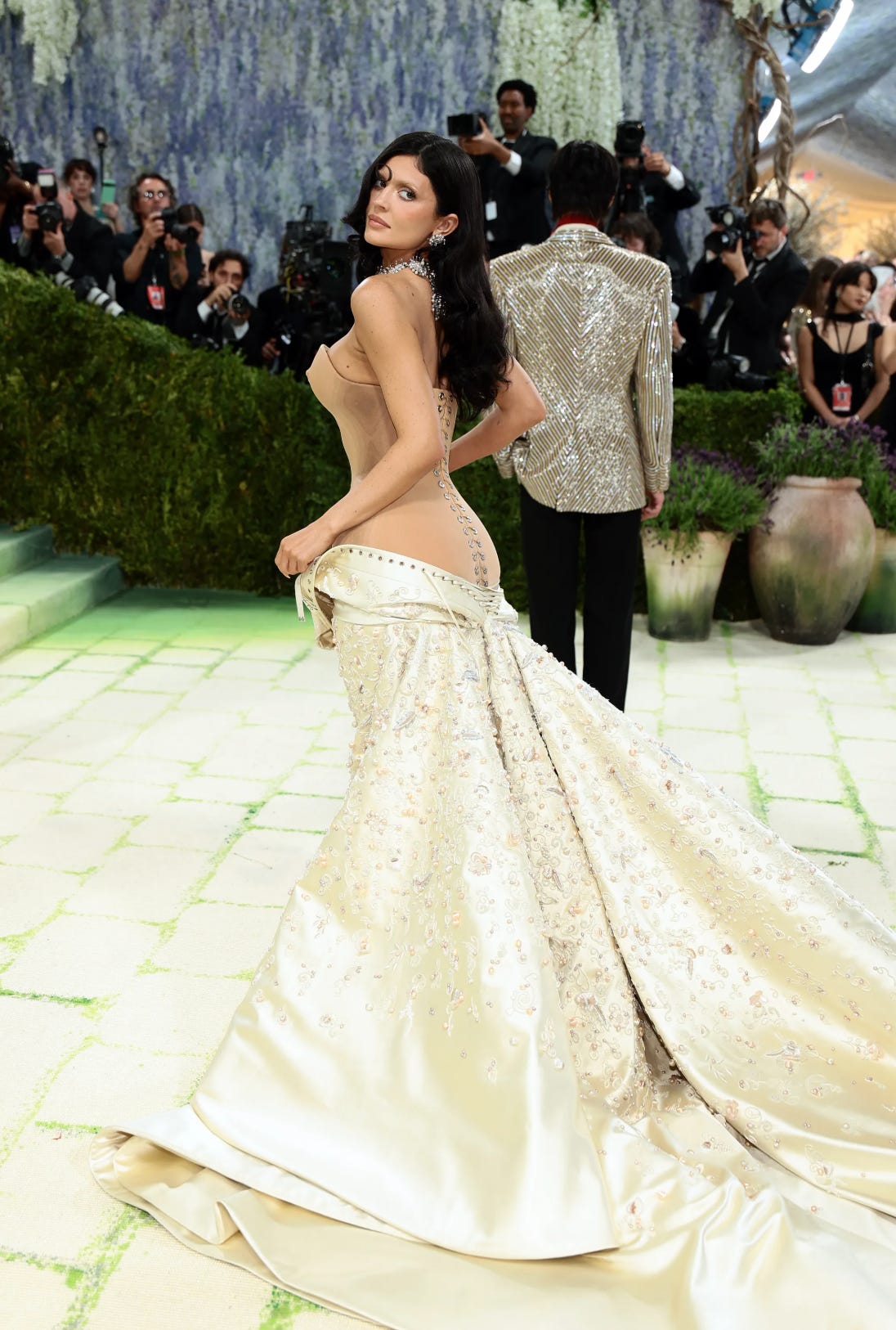
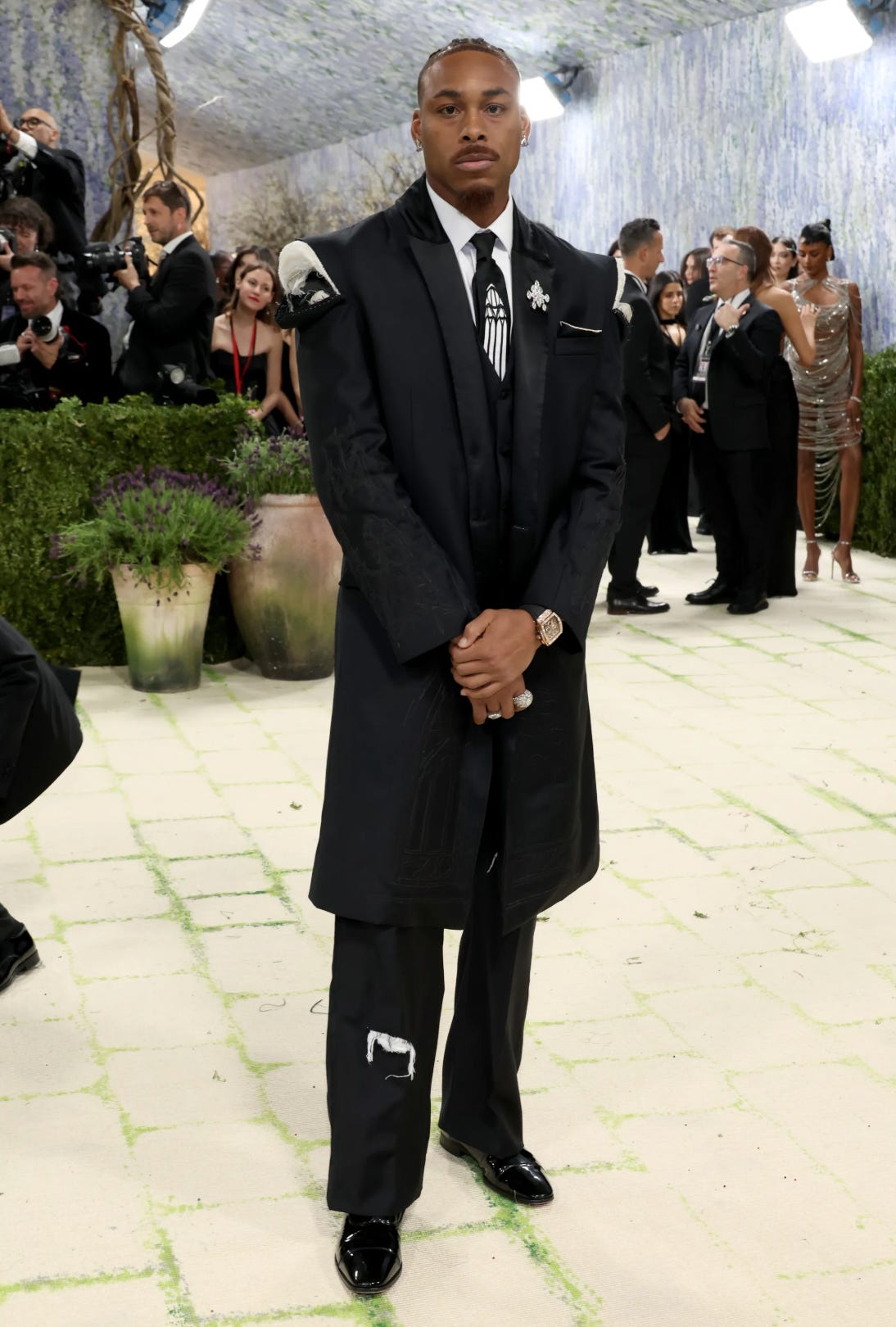
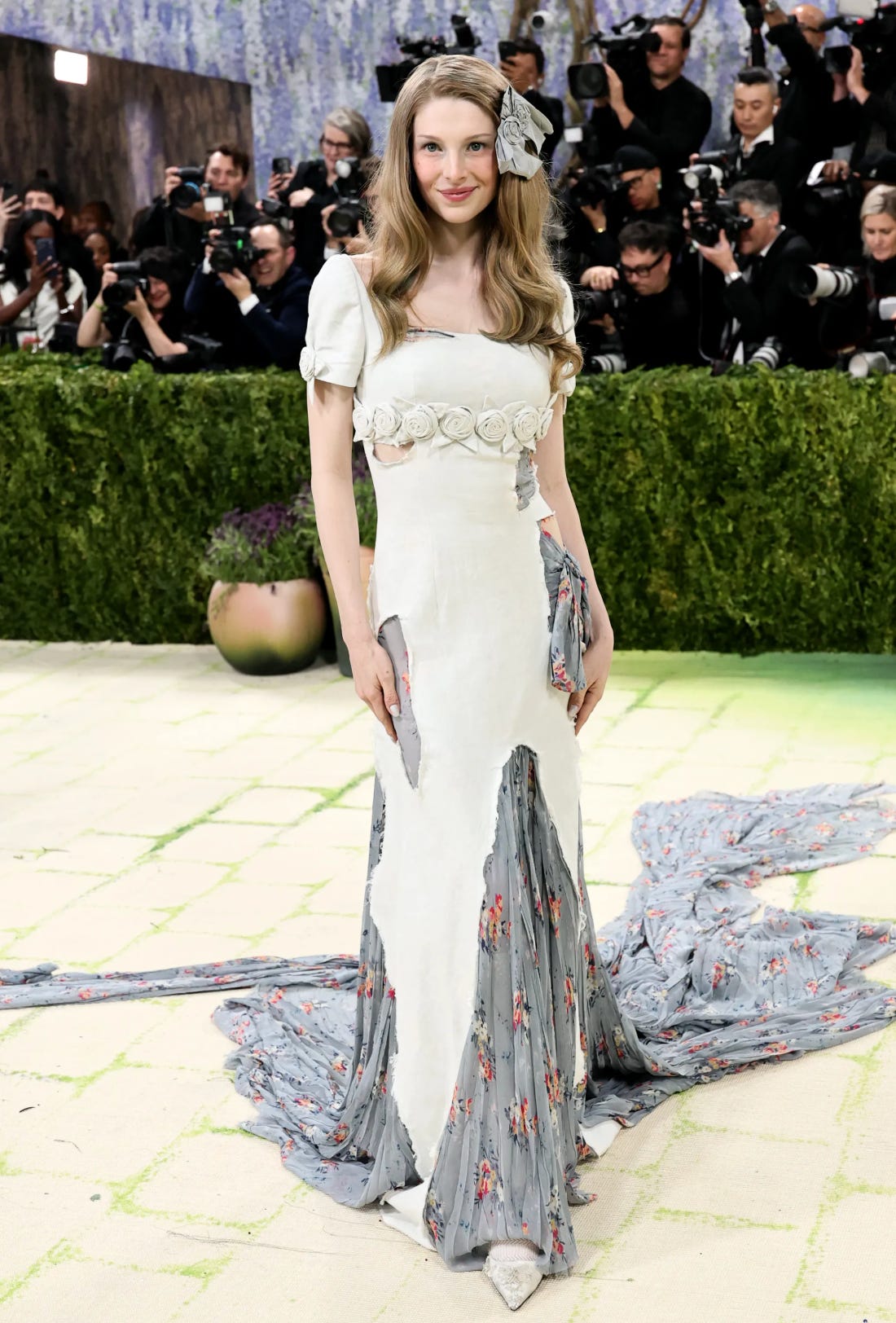
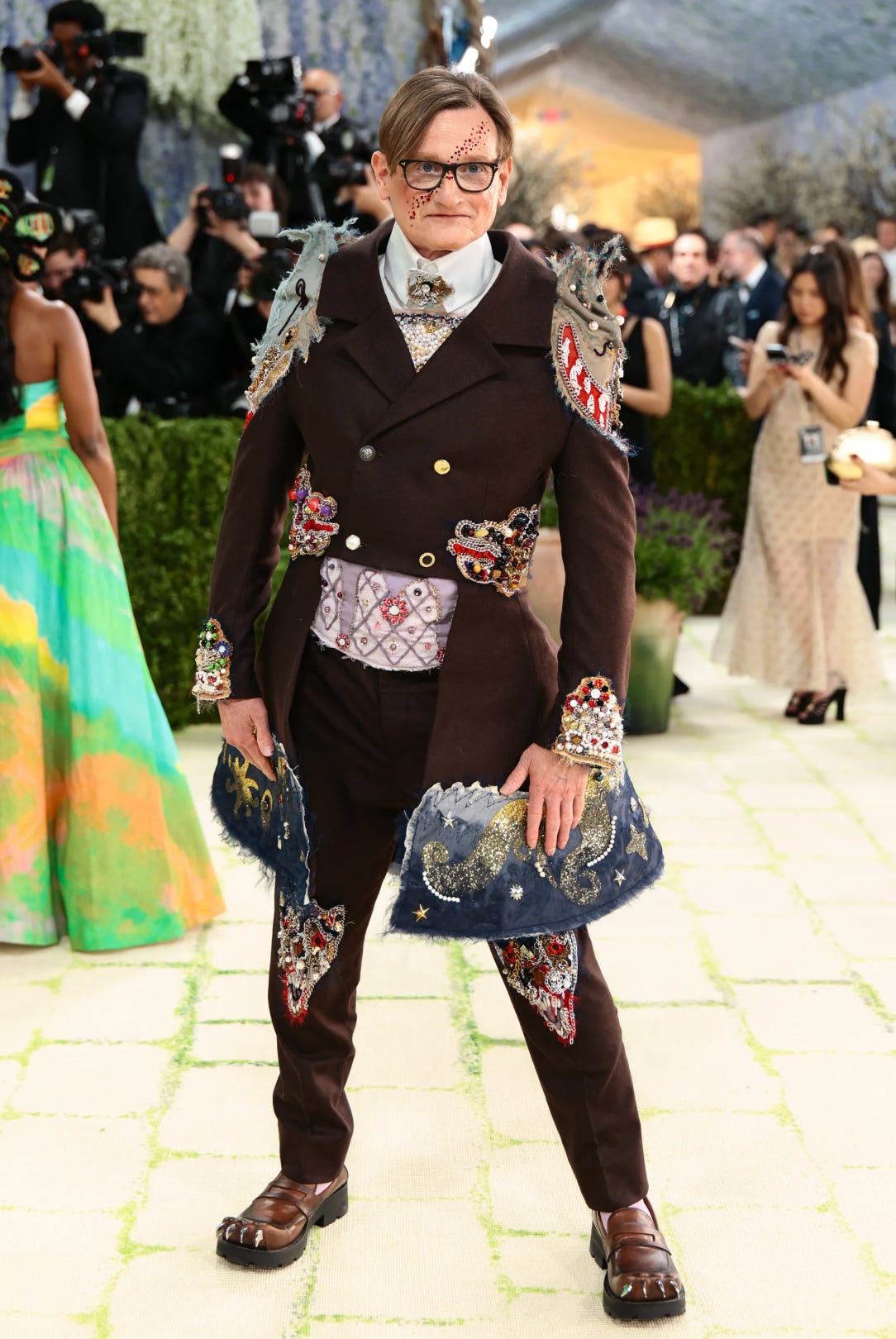
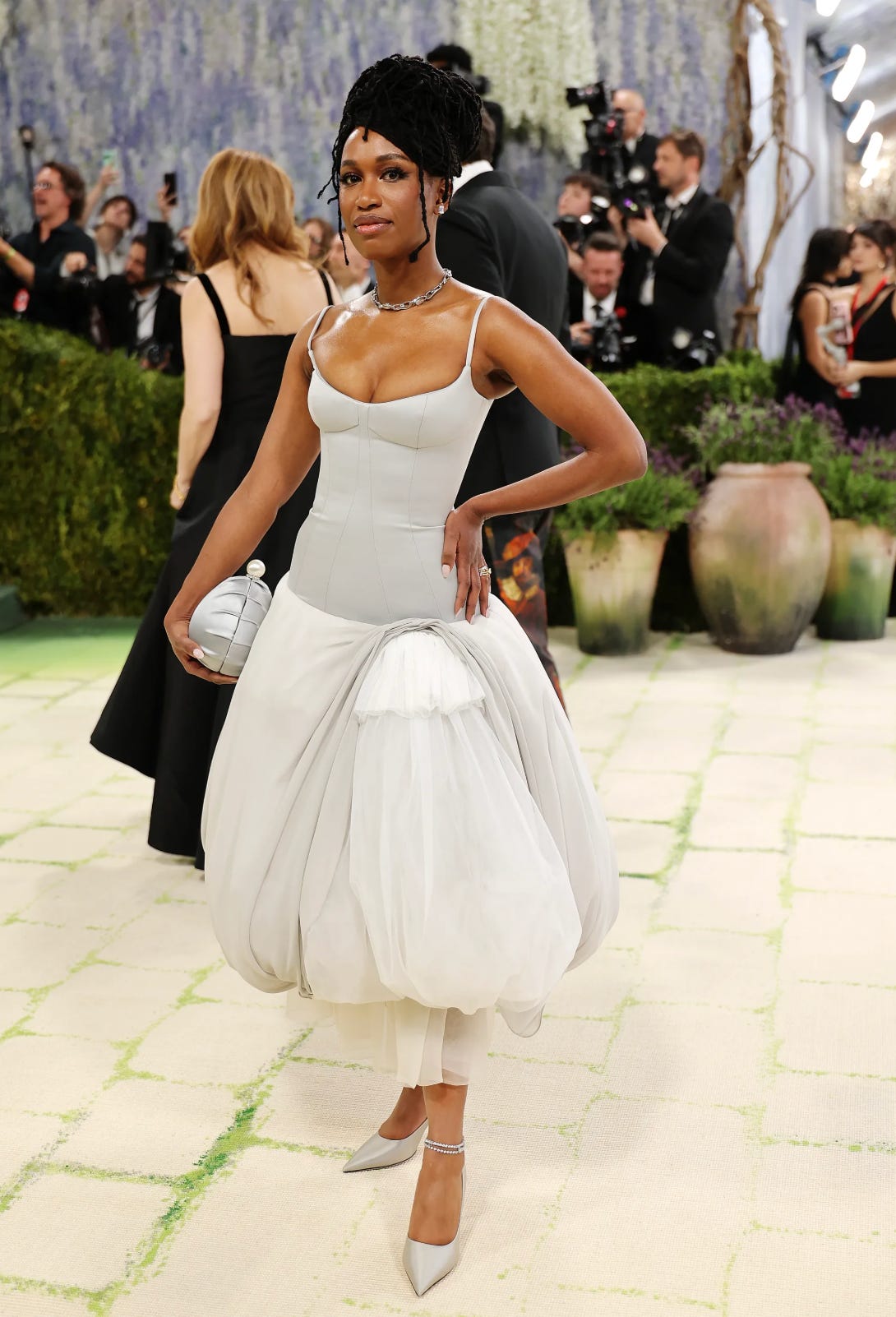
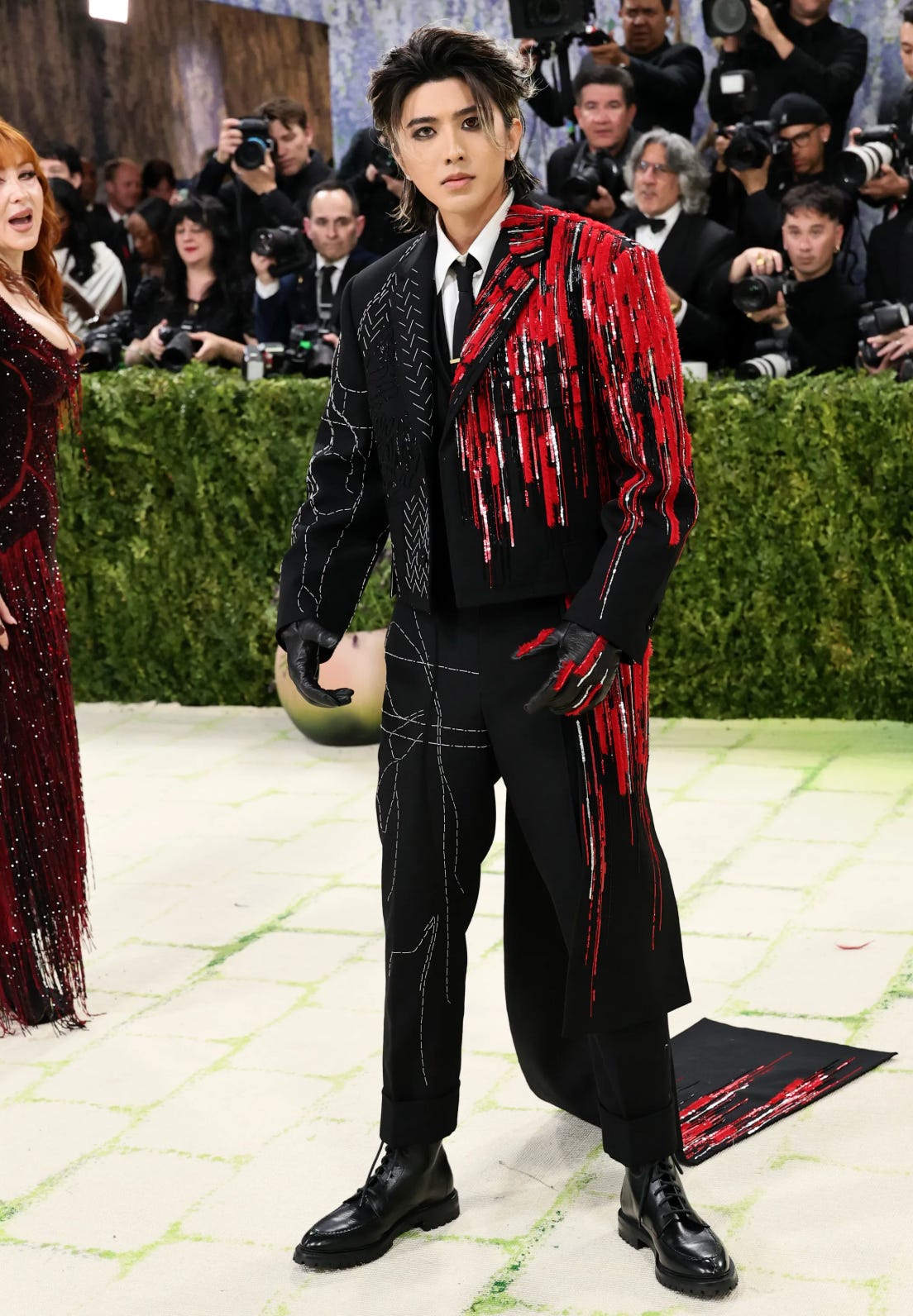
Interpretation #2: A look that doesn’t let fashion cover my body insecurities
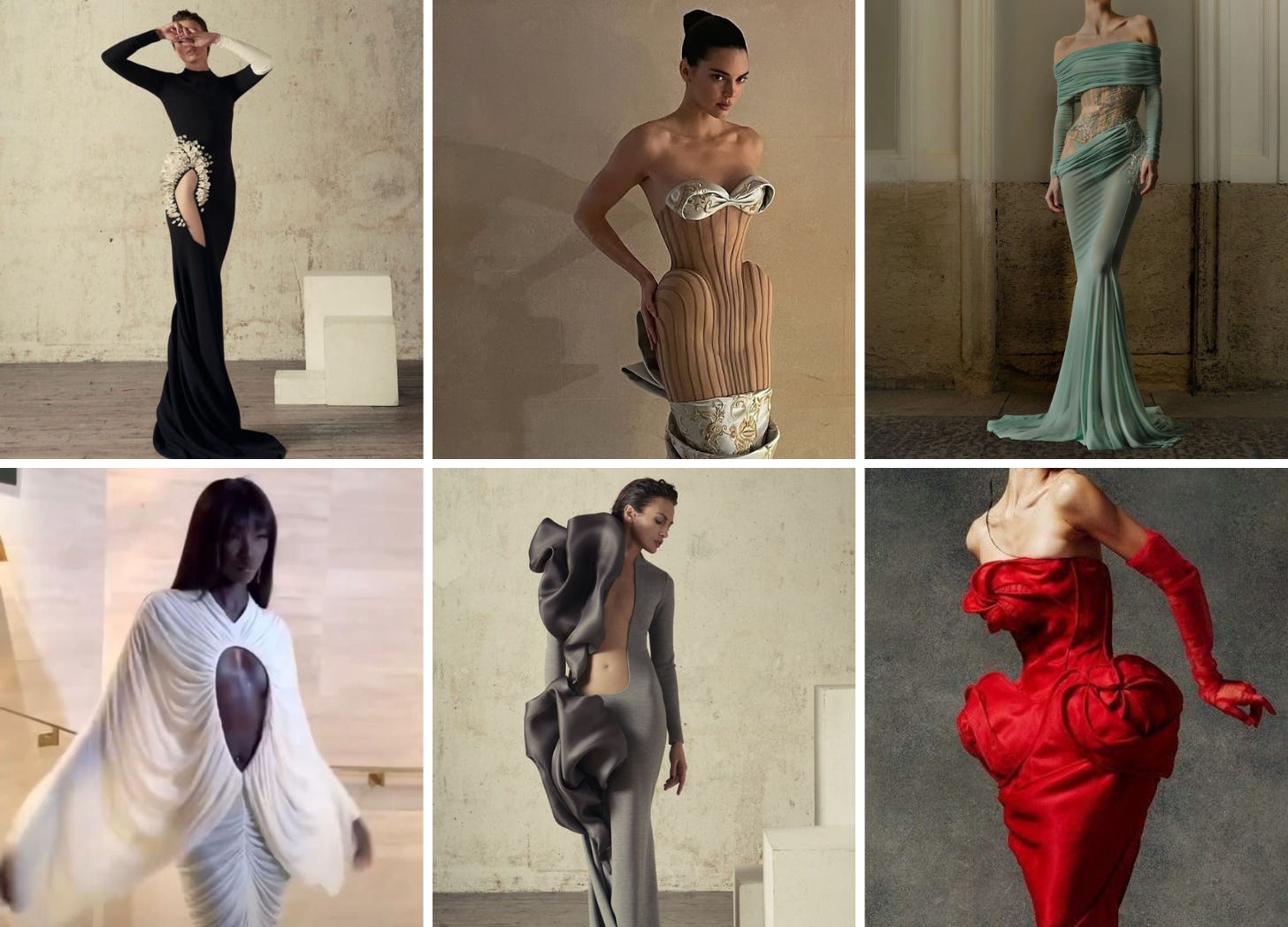
My interpretation from February: Have you ever heard someone say, “That dress is wearing her”? It’s not a compliment, but it raises an important note about fashion: The body should wear the garments, not the other way around.
One of the fabulous things about fashion is that it can accentuate parts of our bodies and make us feel confident in our skin. But more often than not it is also used to cover up our insecurities.
I have been trying to adjust my brain chemistry recently and ruminating on the idea that when I look in the mirror at my muscular thighs, I see the cellulite from four hip surgeries and all the years growing up wondering why I didn’t have thin legs like the rest of the girls in my grade.
But my partner thinks my legs are powerful.
It’s a concept that’s hard to grasp after years of opposing self talk, but this gala dress code makes me want attendees — especially women — to choose gowns or suits that clothe or accentuate the parts of their bodies that they usually cover with fashion due to these insecurities.
Scars and stretch marks on my hips? Cellulite on my hamstrings? Muscle that I have had to rebuild after every surgery? I would let those parts of the body wear the fashion for once, not the other way around.
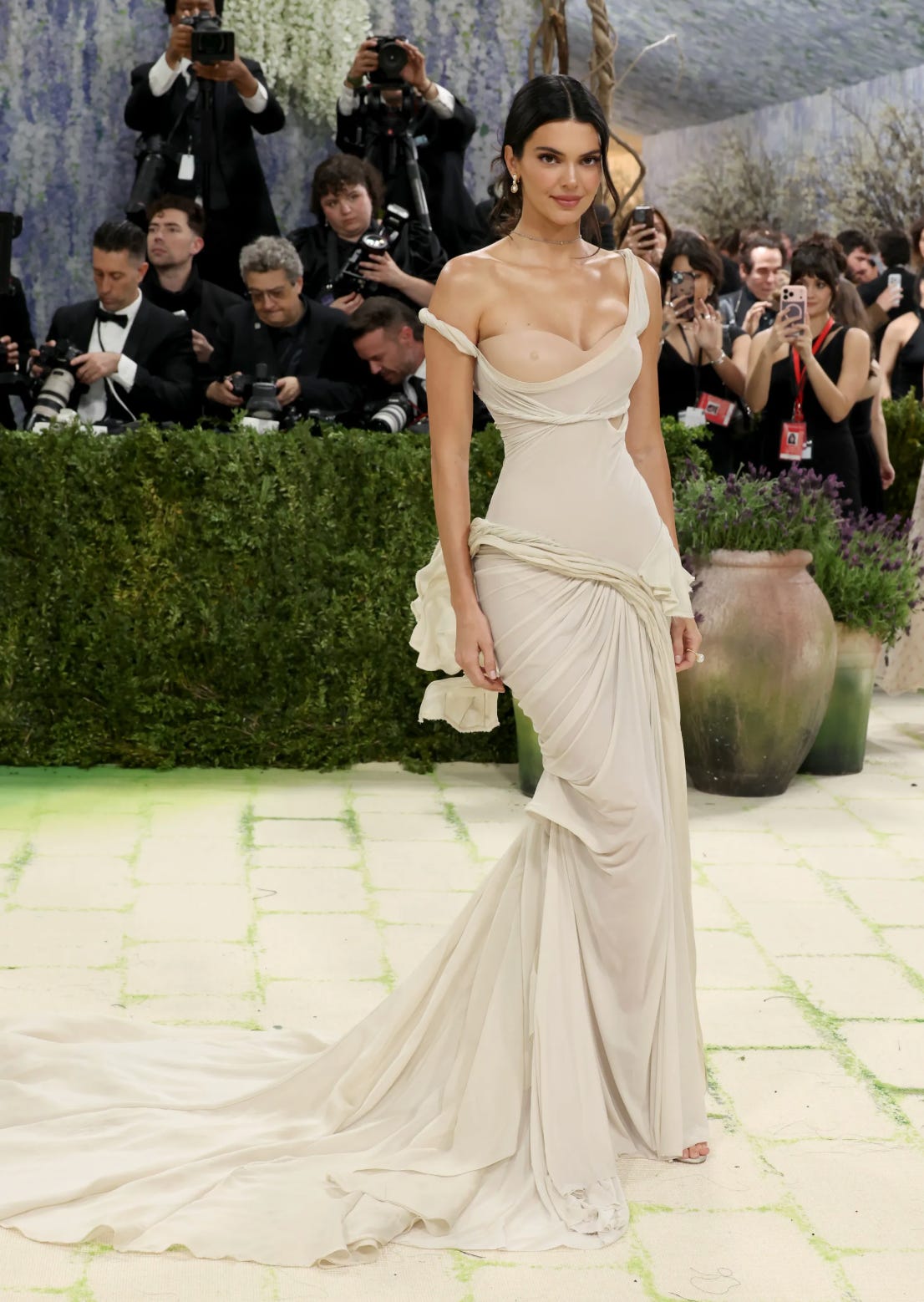
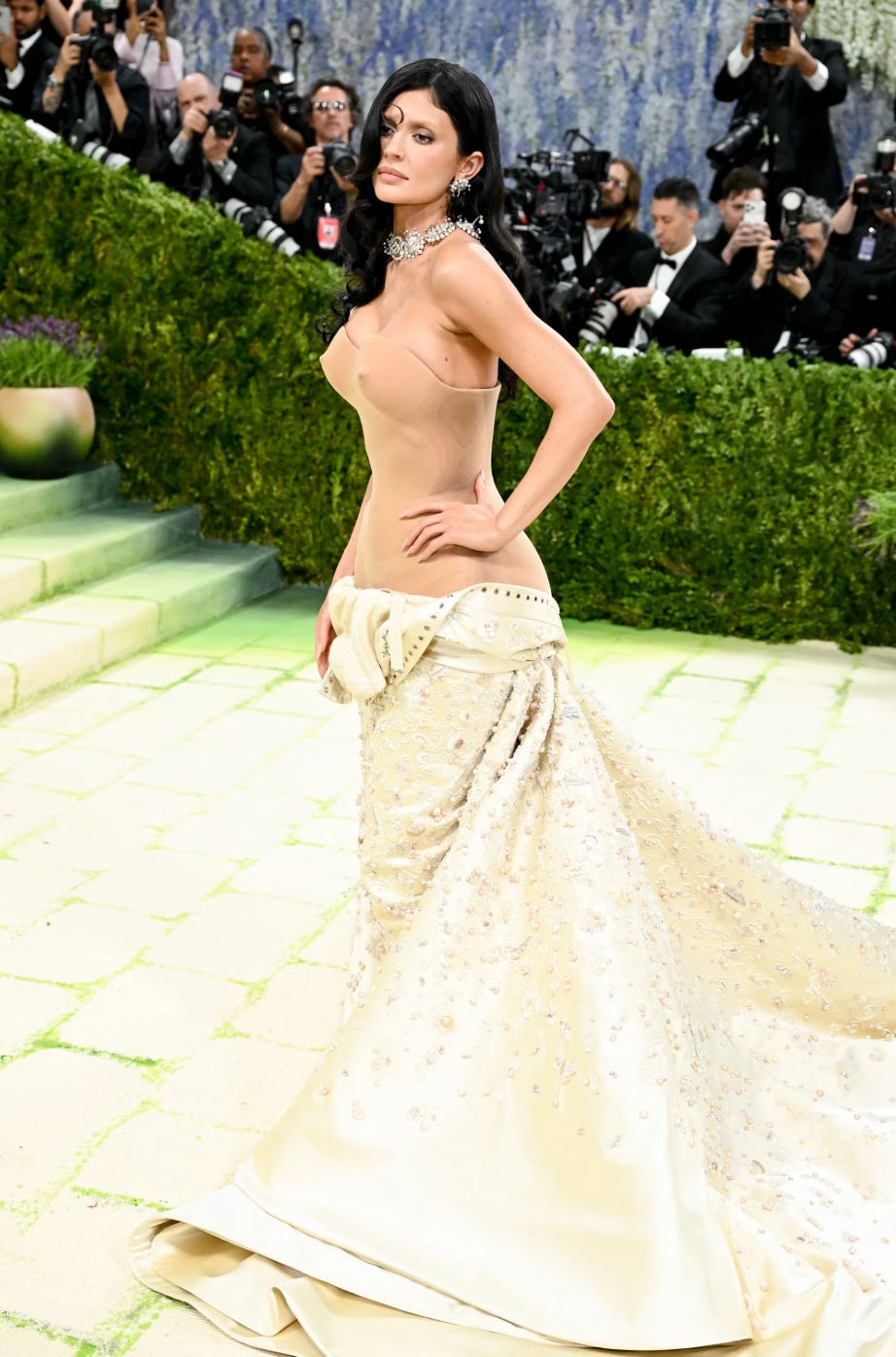
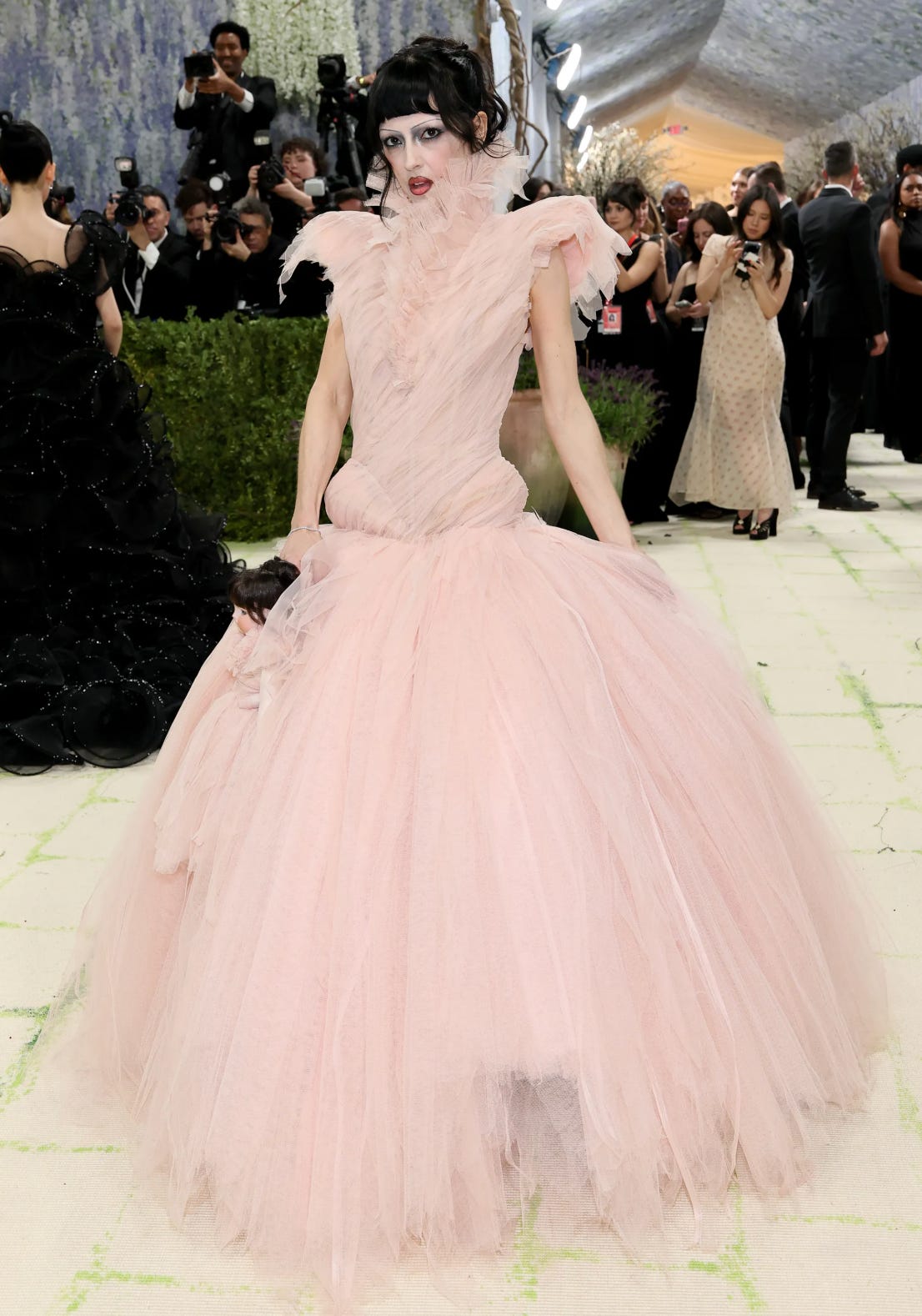
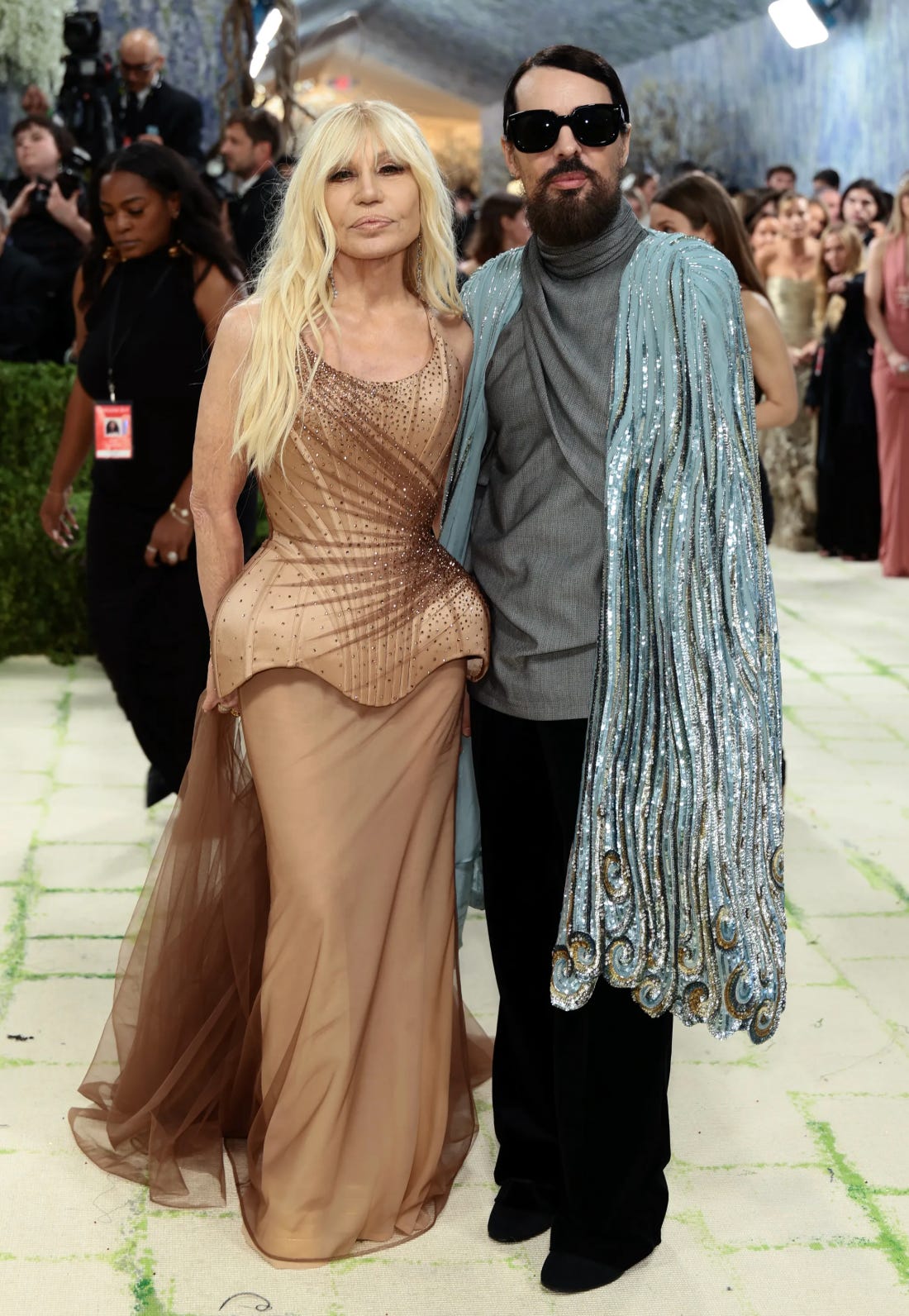
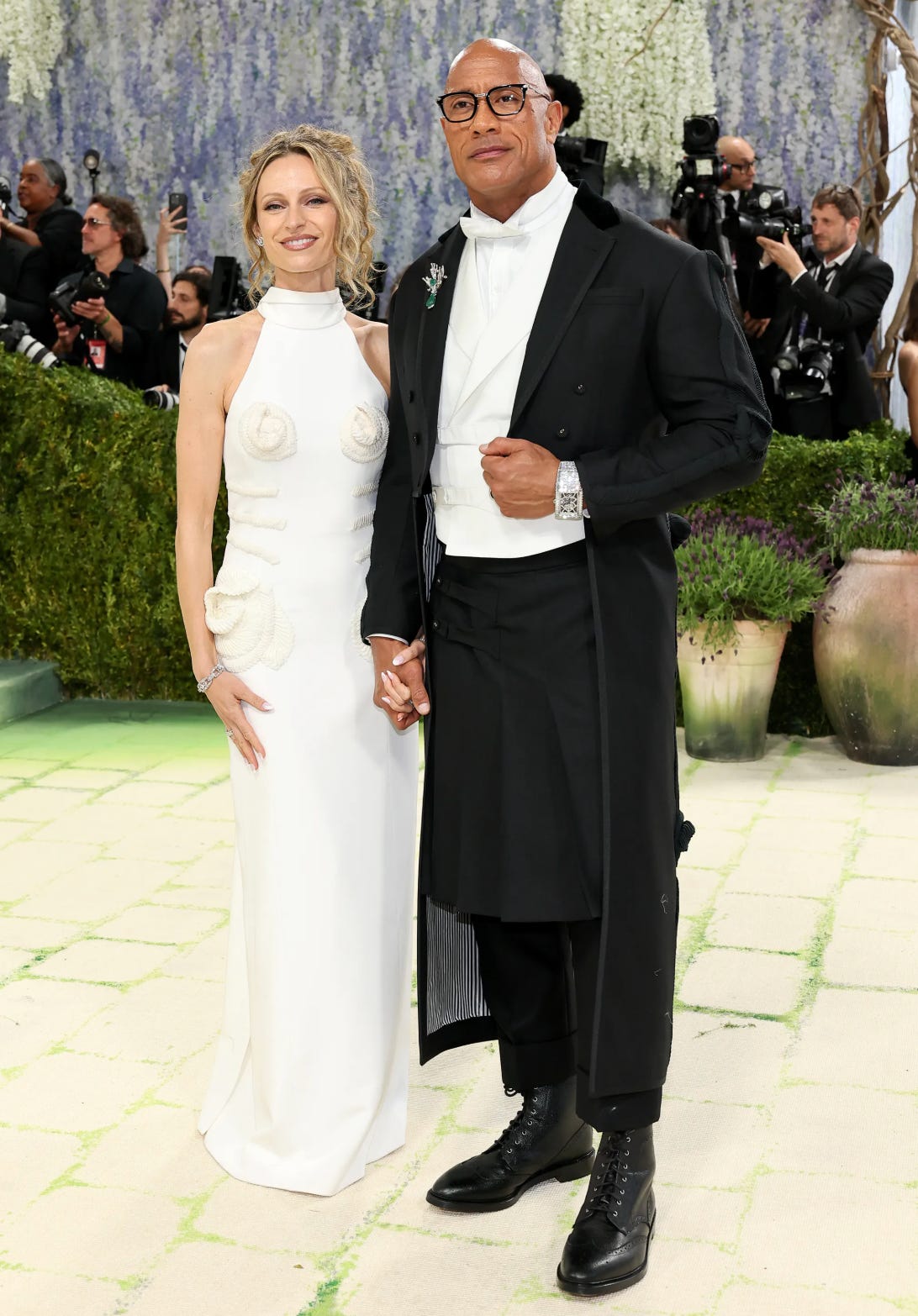
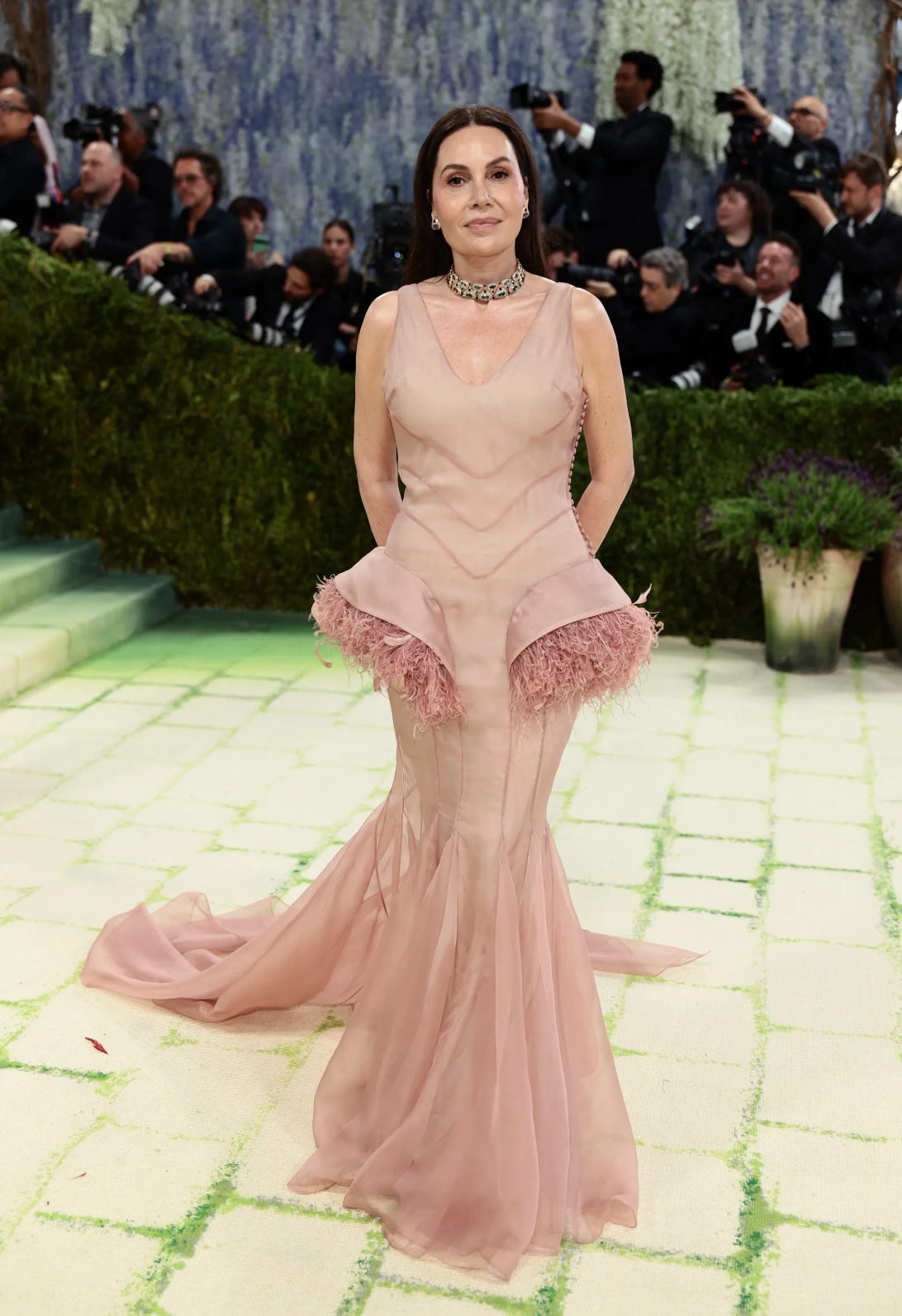
Disclaimer: Since this interpretation is deeply personal to each individual, for this section I have chosen Met Gala looks that fall into either of these two categories:
Looks that I would have chosen to showcase my own insecurities such as my hips, thighs, stomach, etc.
Looks that showcases beautiful parts of our bodies that society has pushed us to cover up or not appreciate as fully as we should such as a woman’s pregnant body, a disability, or our natural curves.
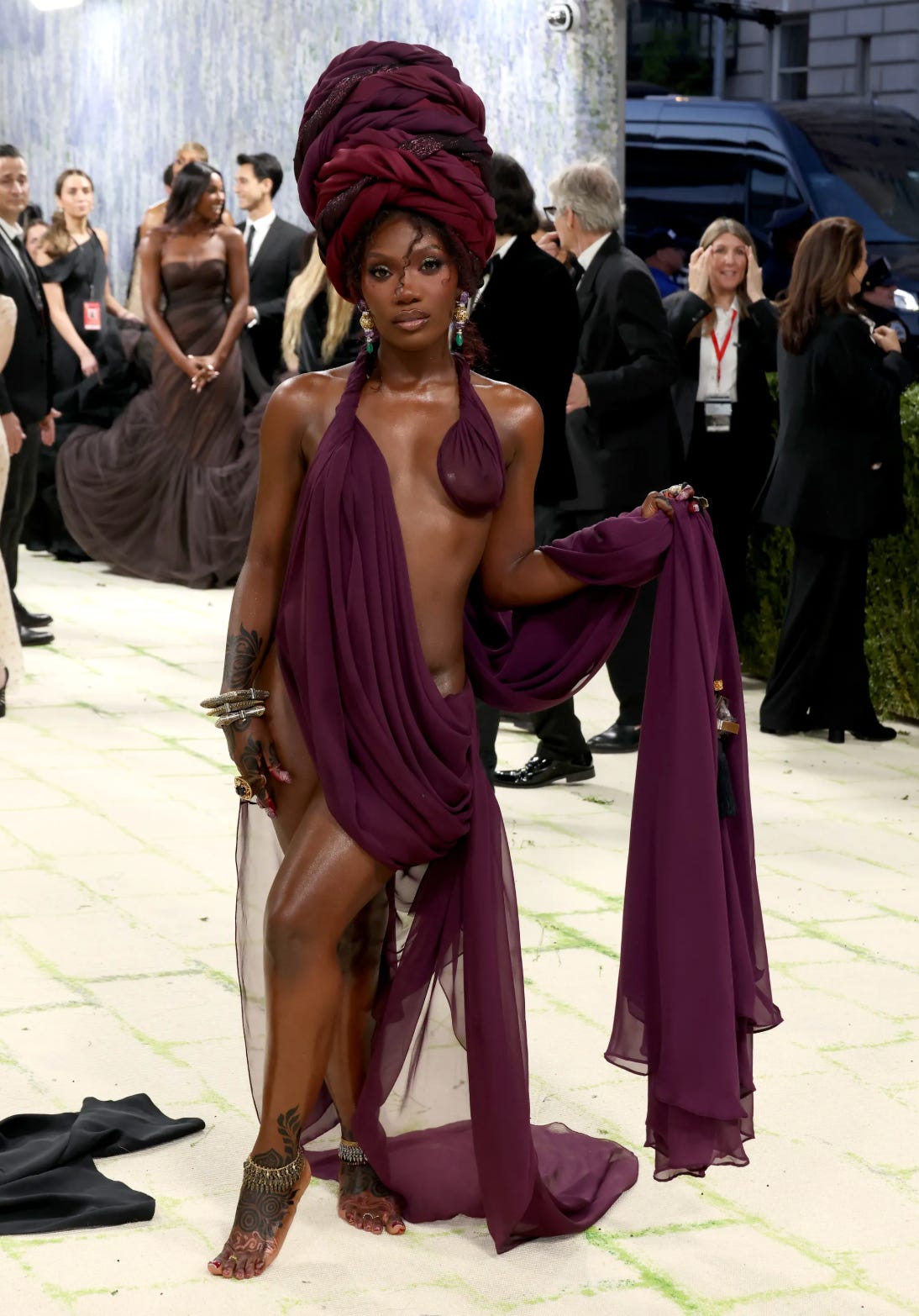
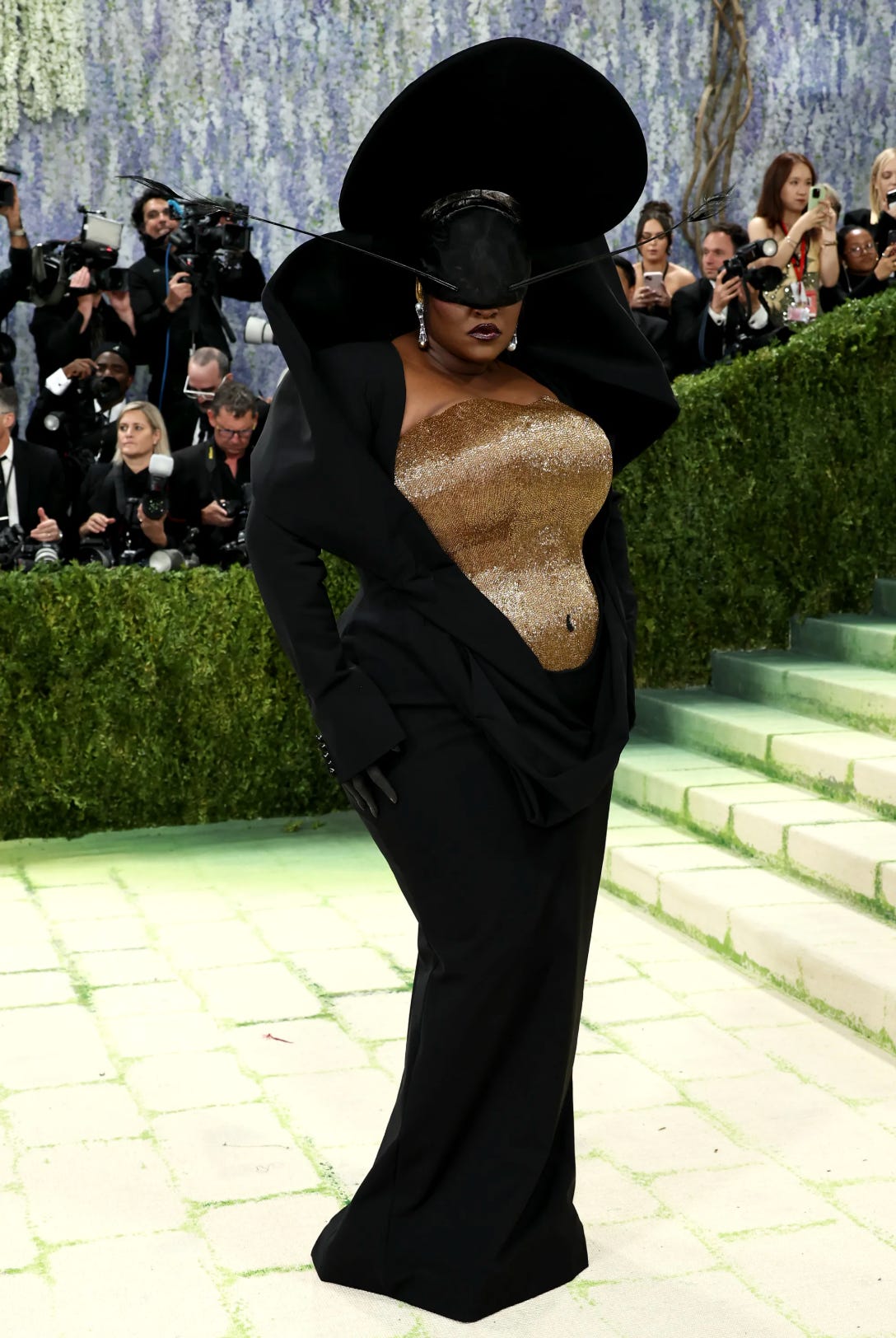
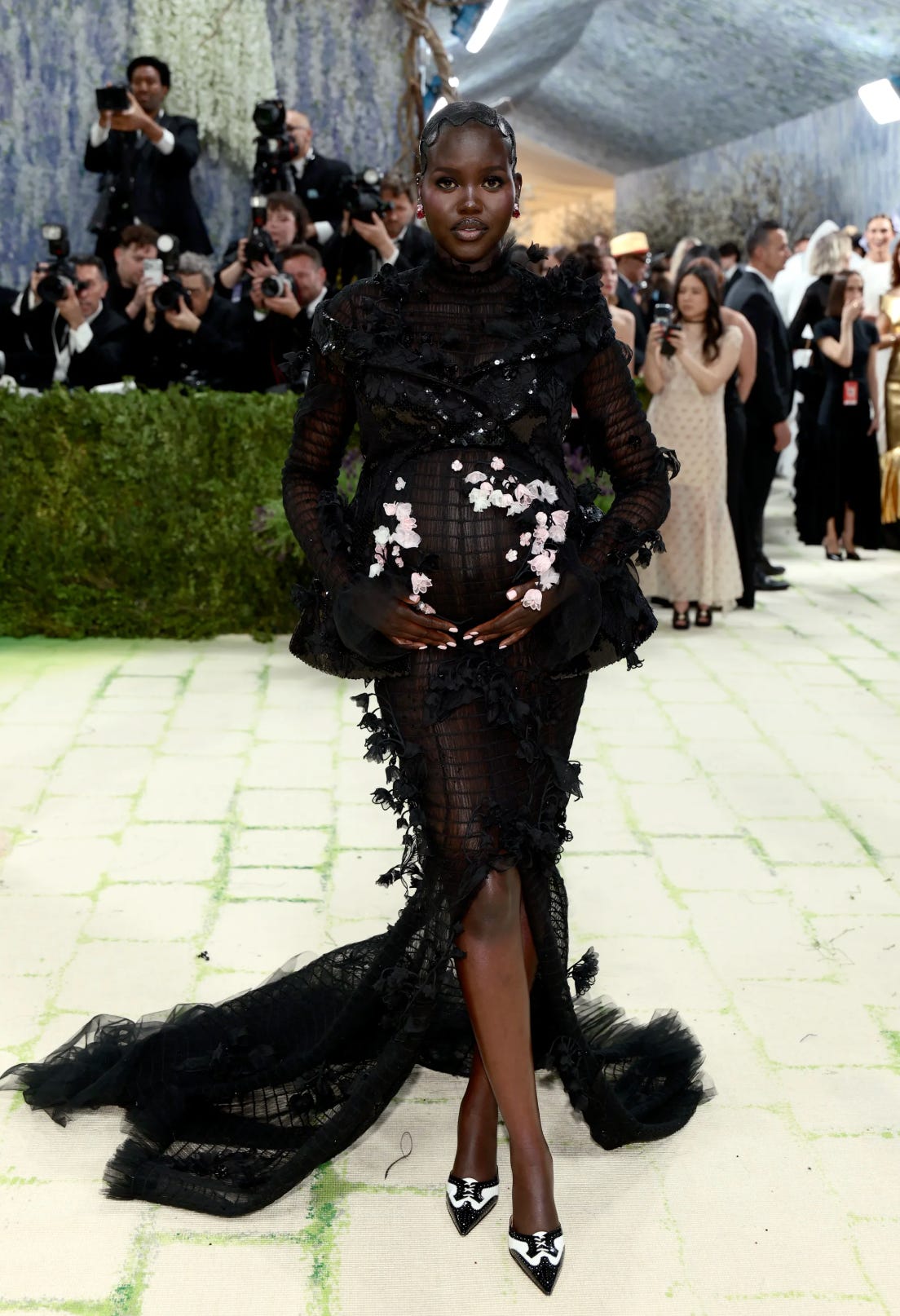
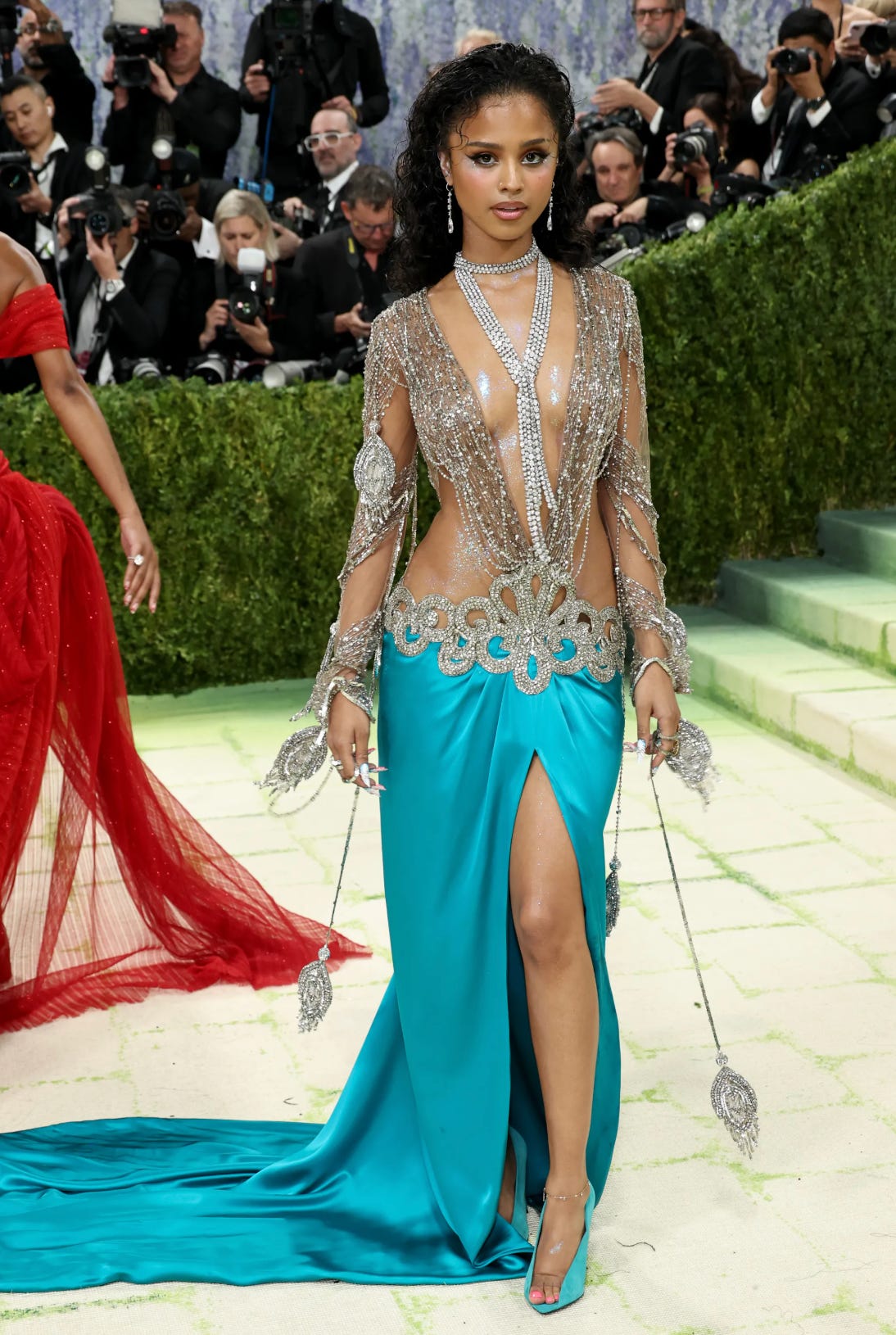
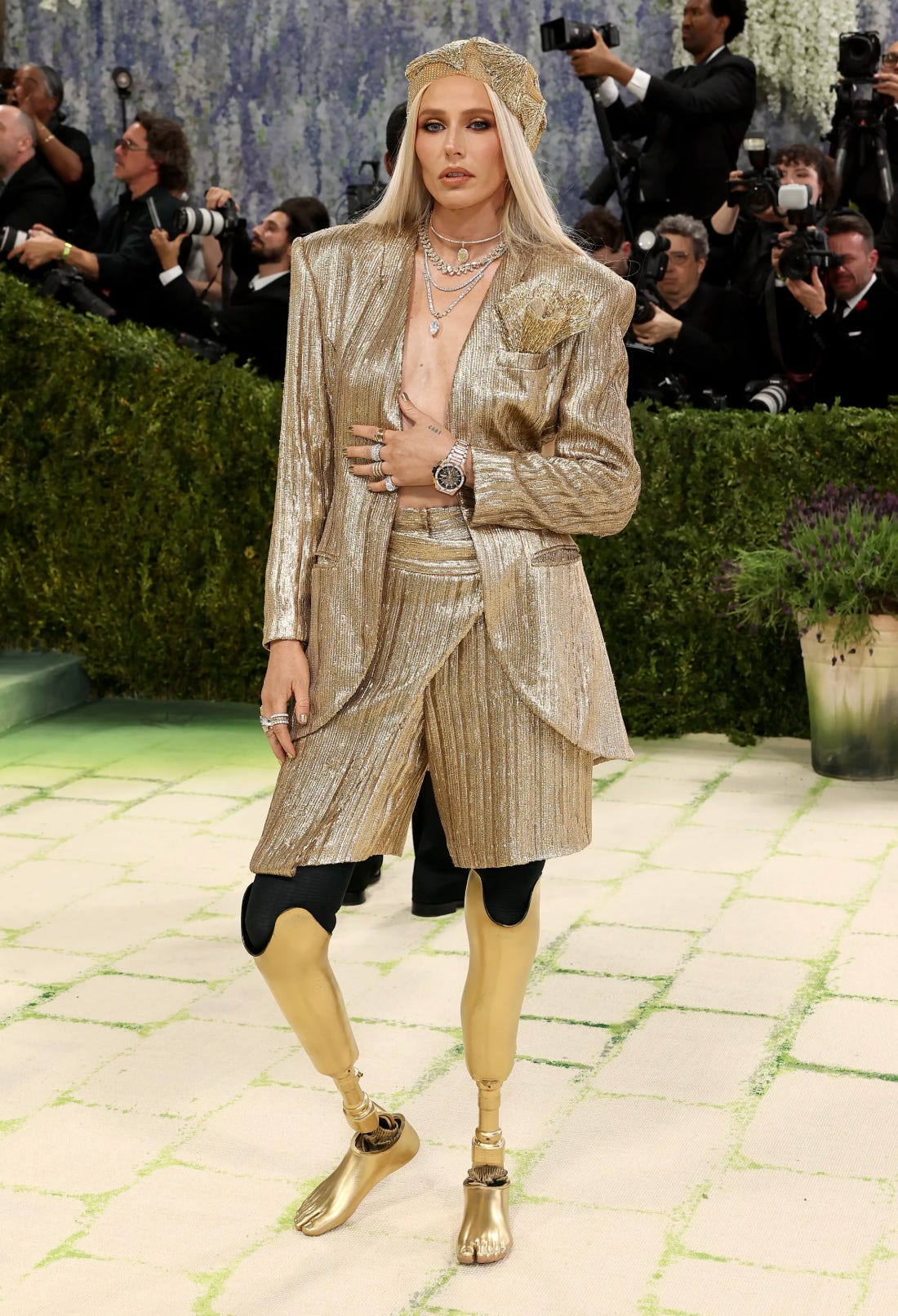

Interpretation #3: A look that puts anatomy first
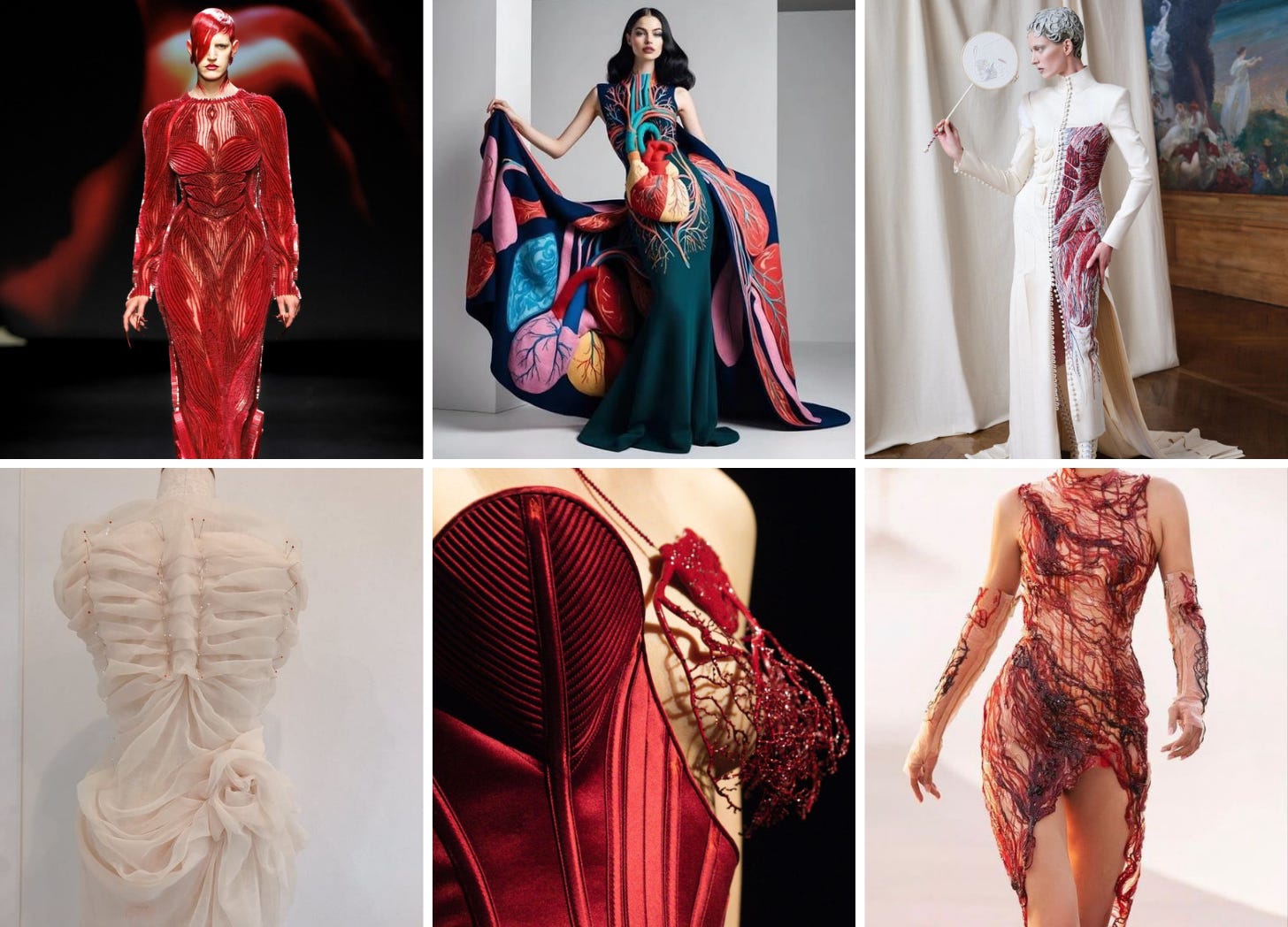
My interpretation from February: The body is not pretty. By this, I mean that the things that actually make up our human bodies (veins, organs, bones, muscles, ligaments) aren’t exactly nice to look at — and they’re not meant to be.
The visual we present to society every day is just the exterior of what our bodies actually look like and the incredible (but also not so pretty) functions it does every day.
Fashion always focuses on that outer layer of the corporal body, but it doesn’t have to. I’d showcase the real body it dresses every day with an outfit that shows what our bodies really look like.
Because nothing is more beautiful that a healthy body, or at least one that keeps breathing every day through everything it endures.
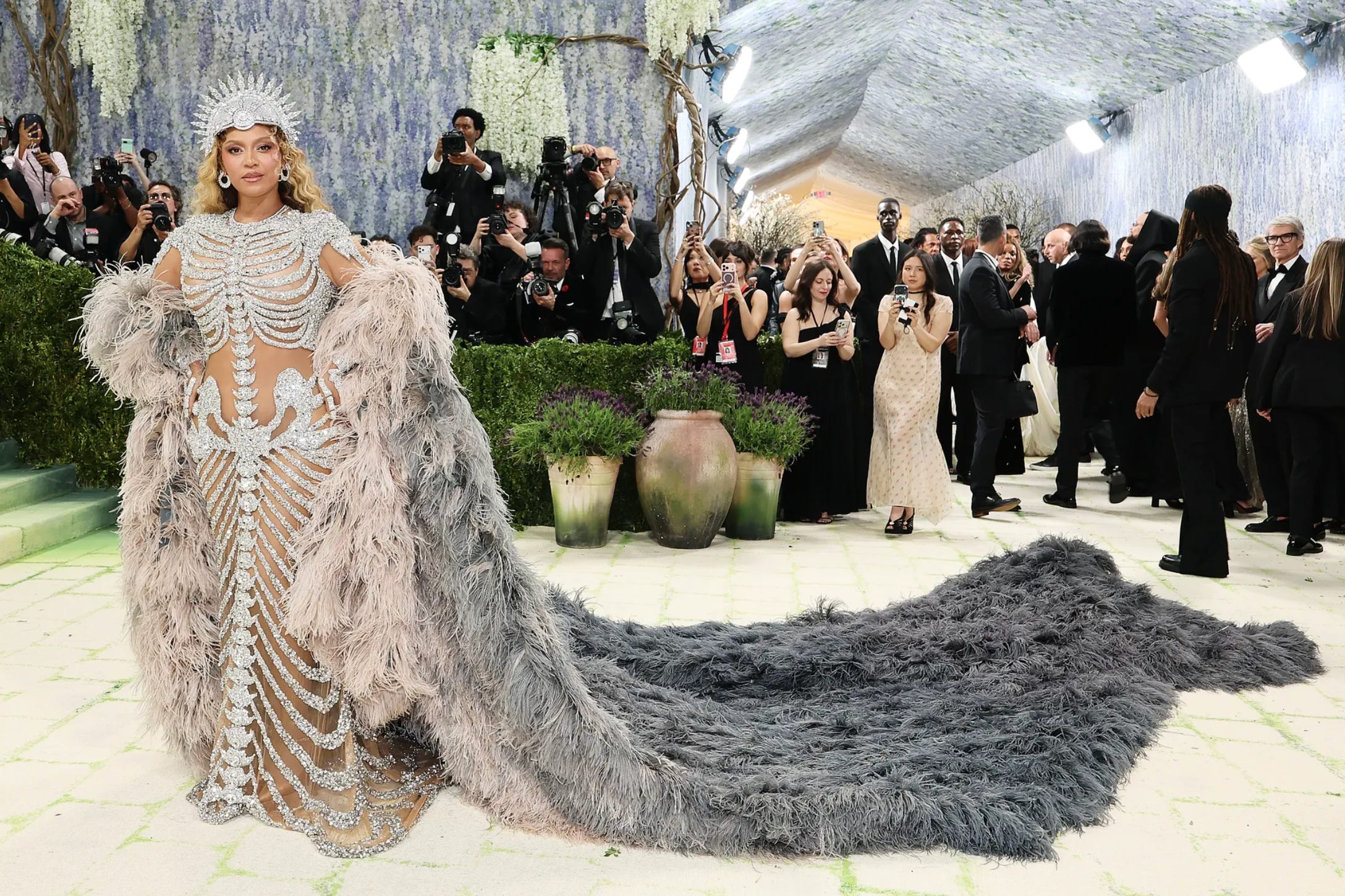

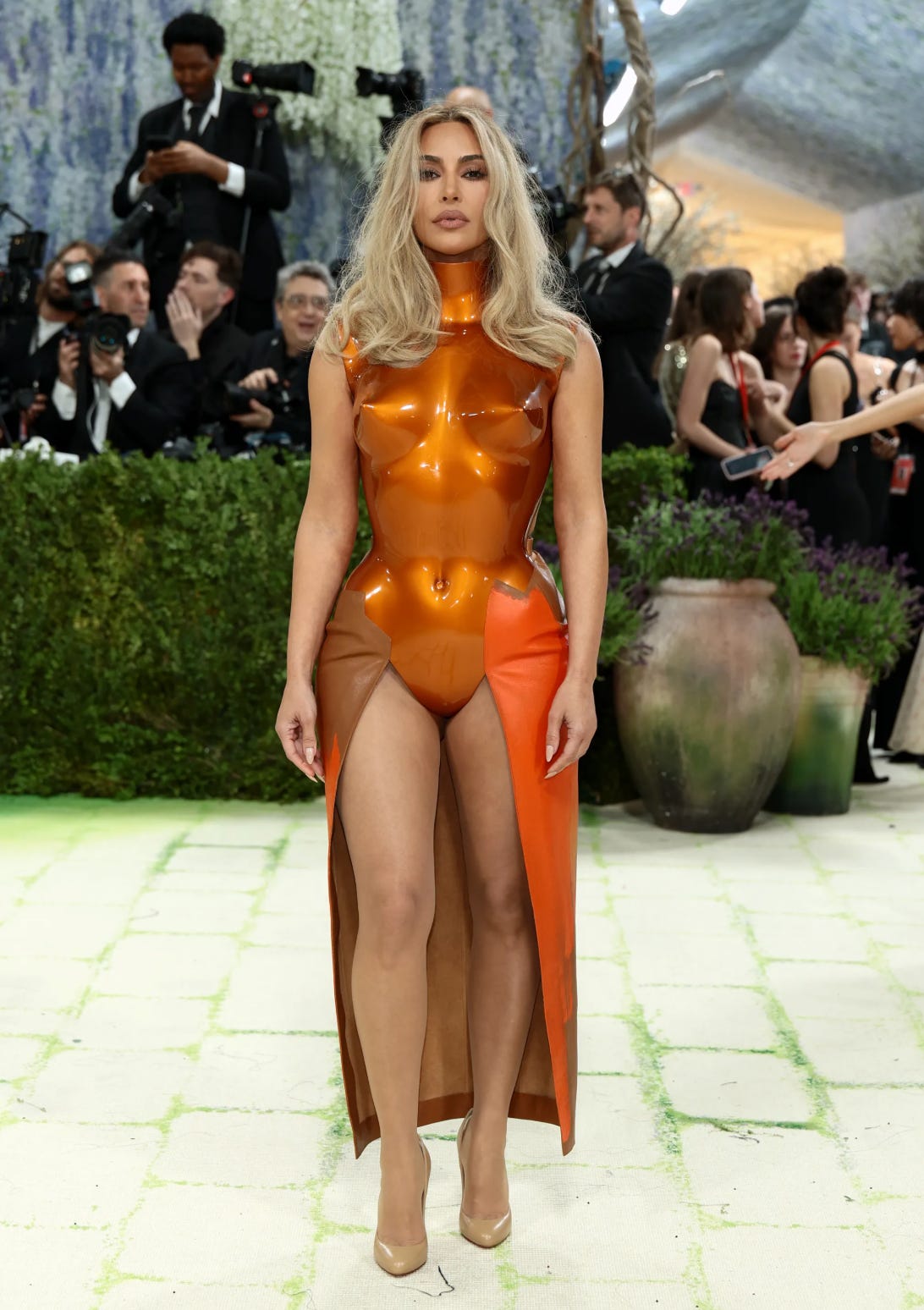
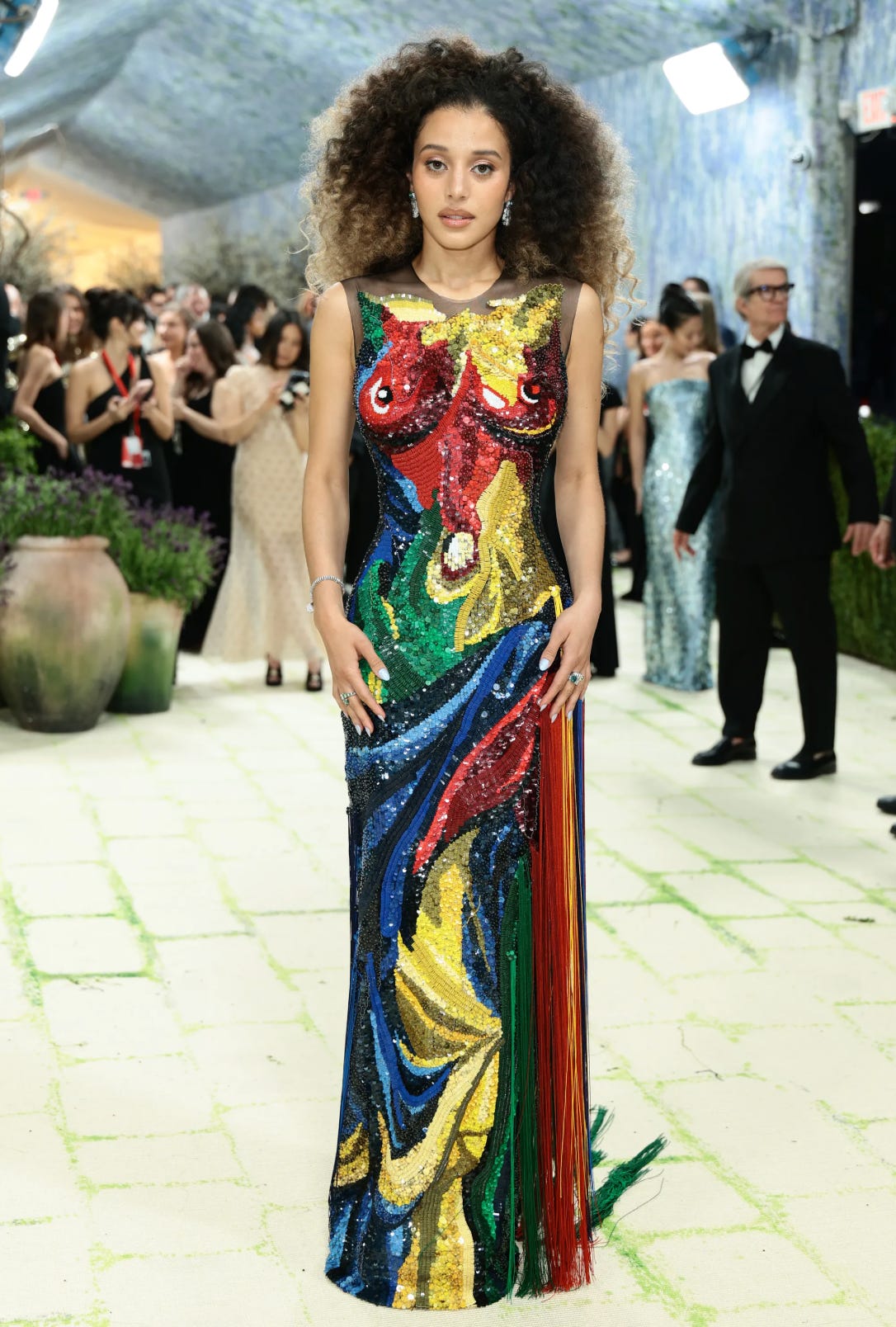
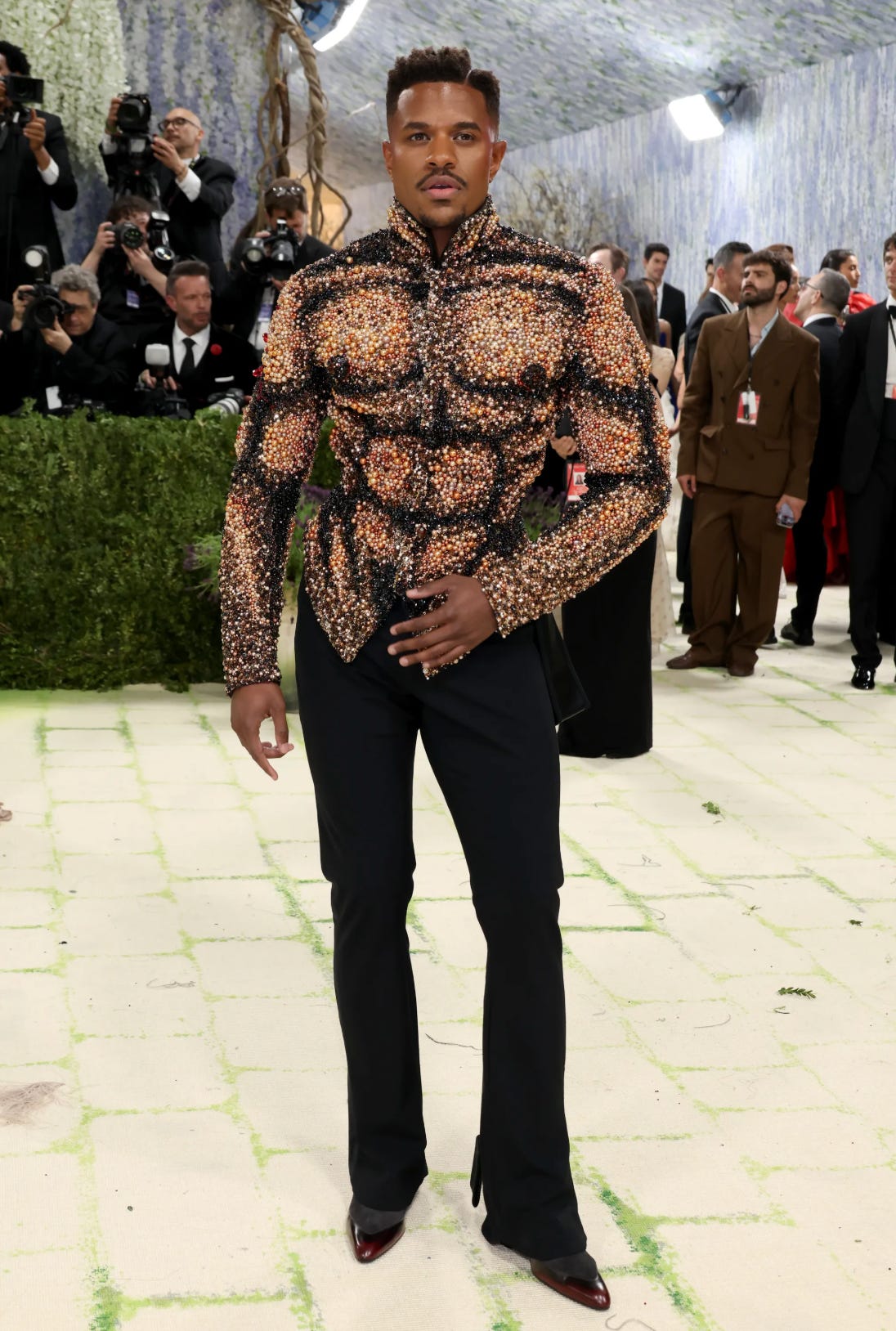
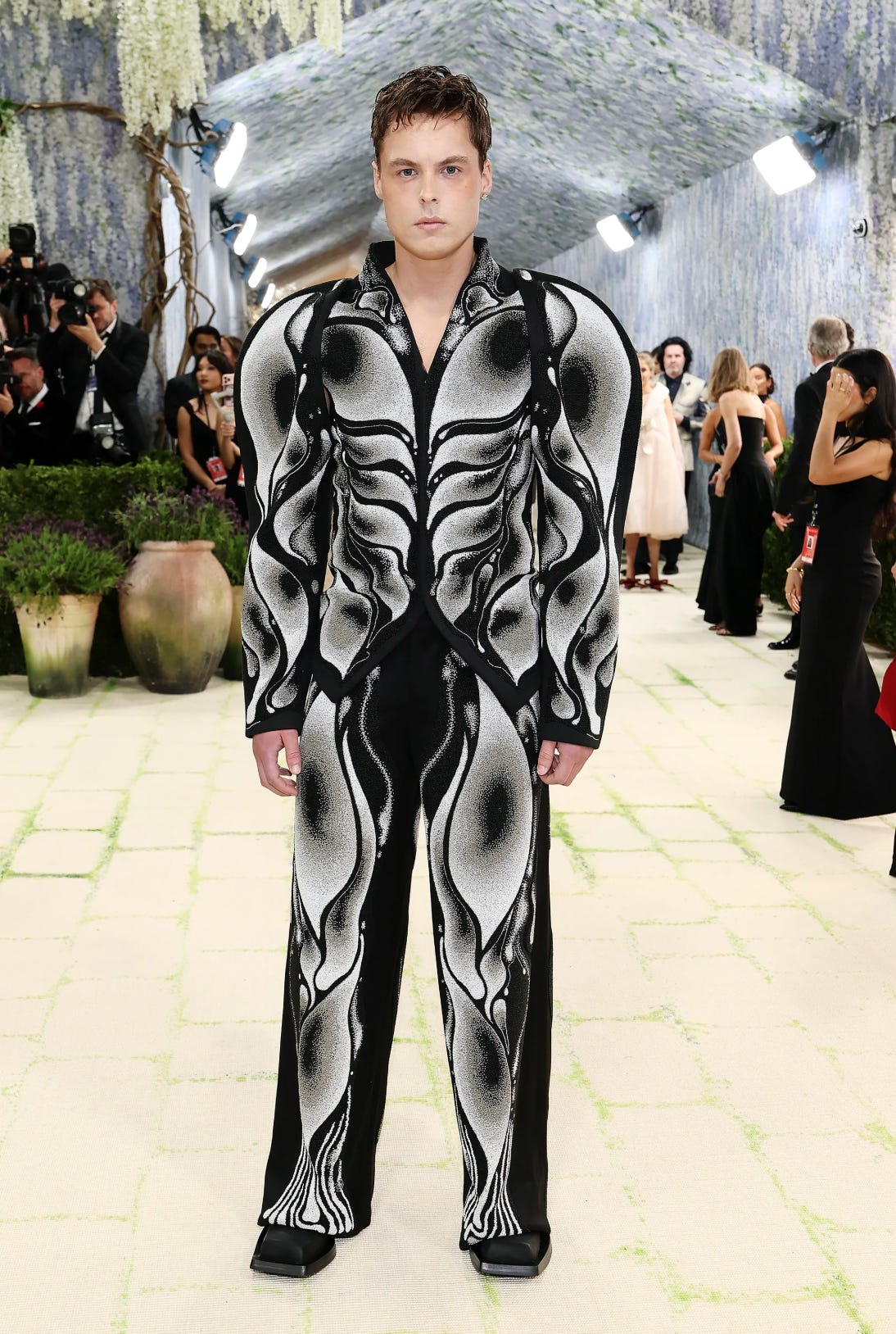
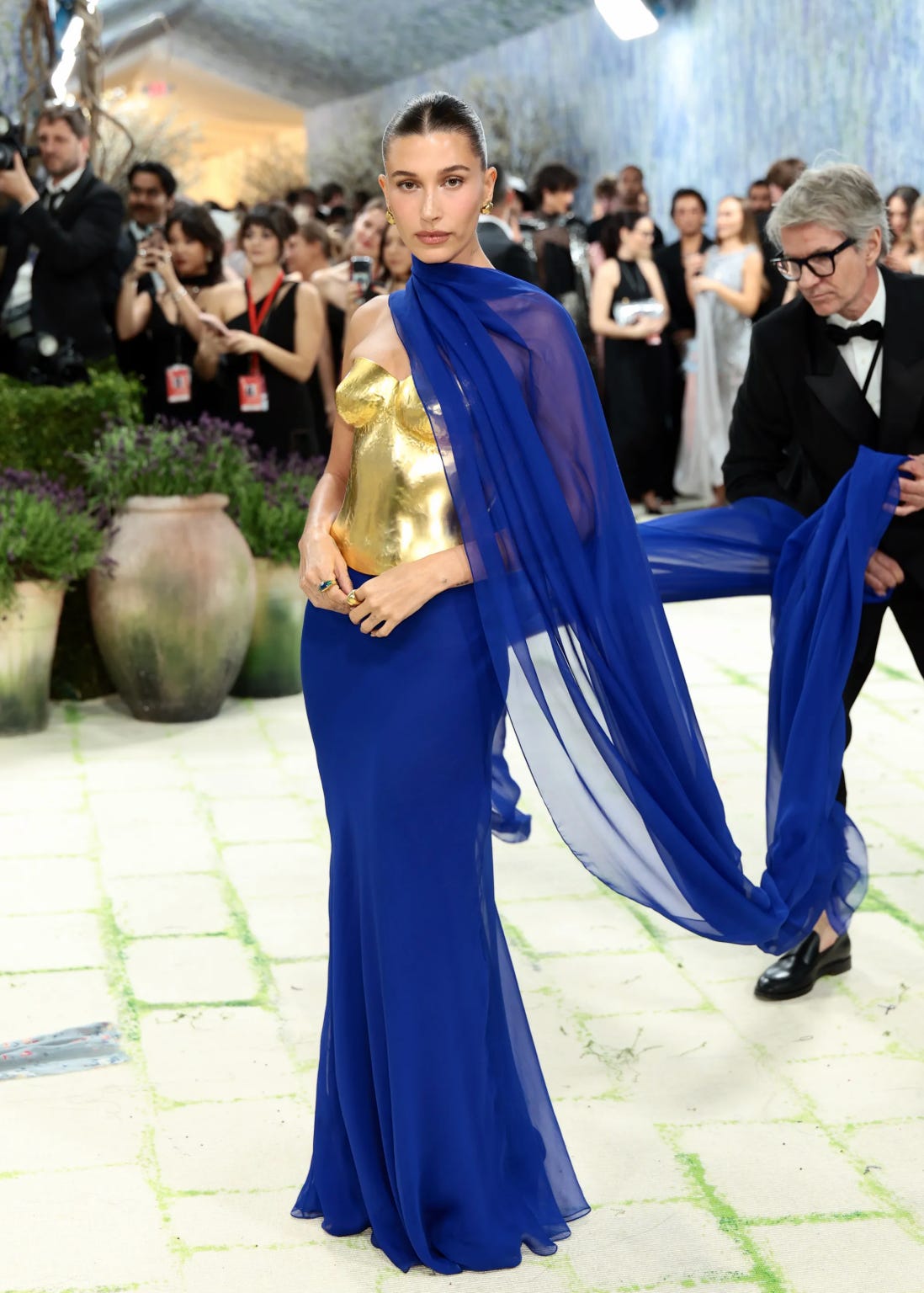
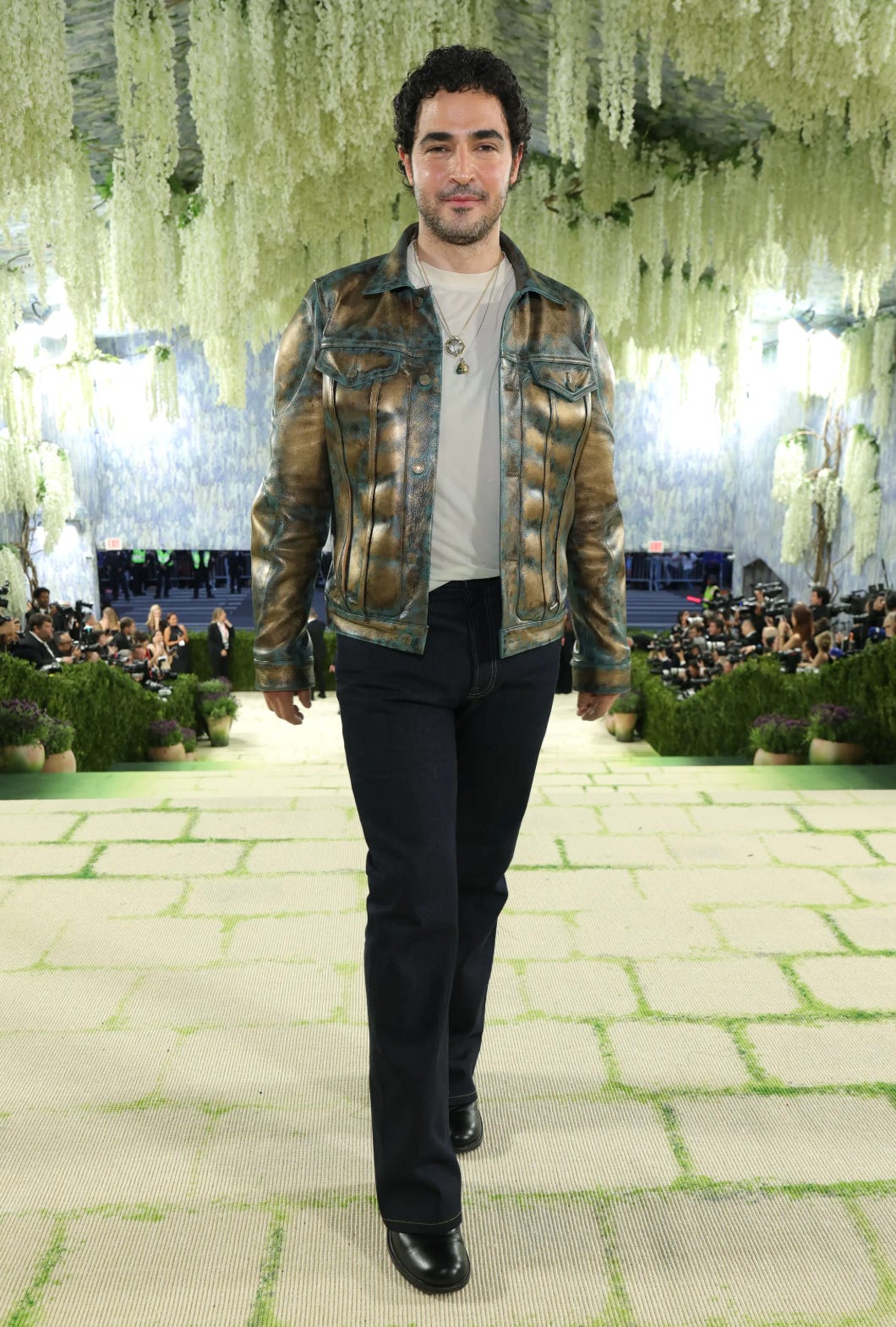
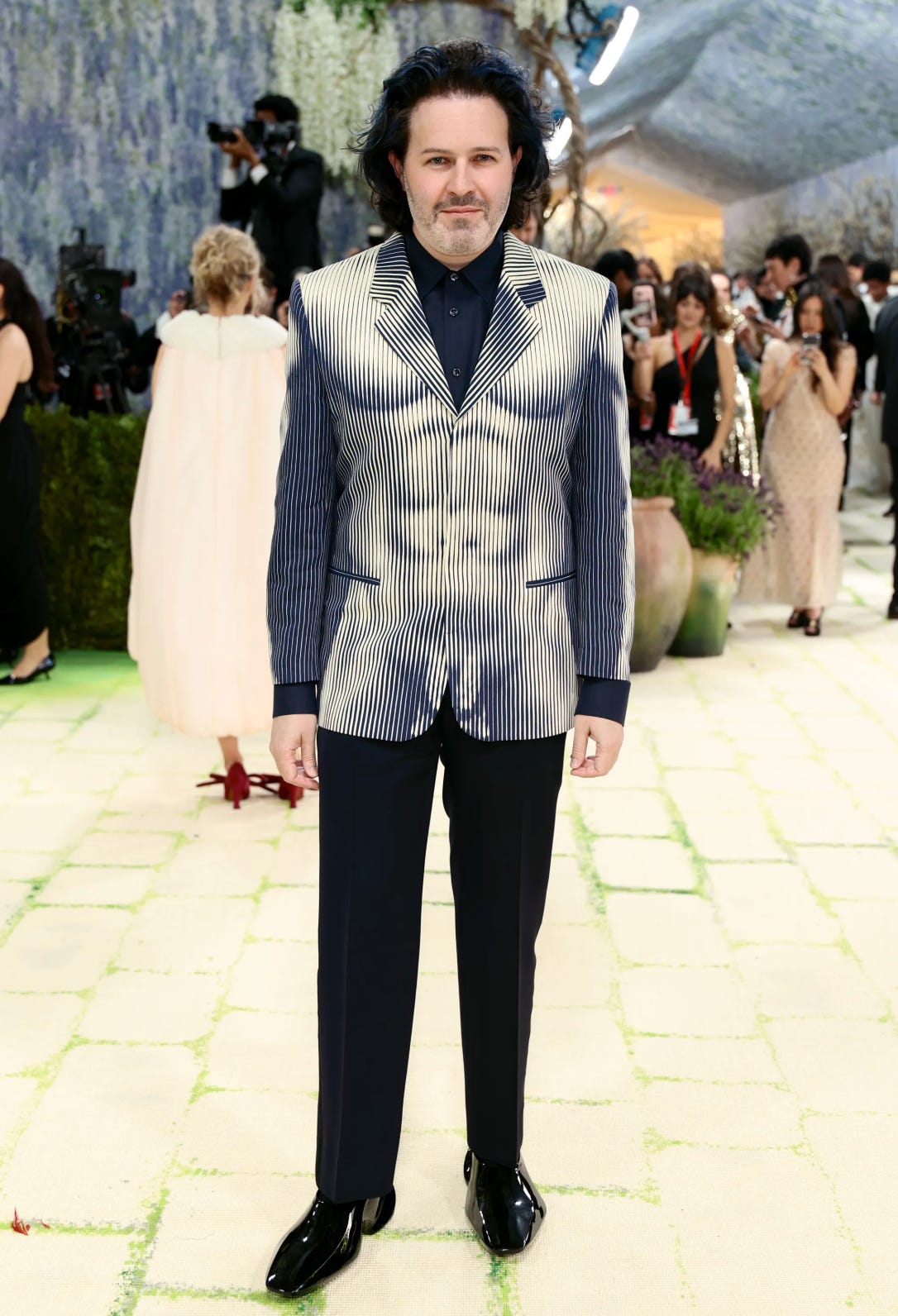
Plus: 5 unique celebrity interpretations that left me awestruck.
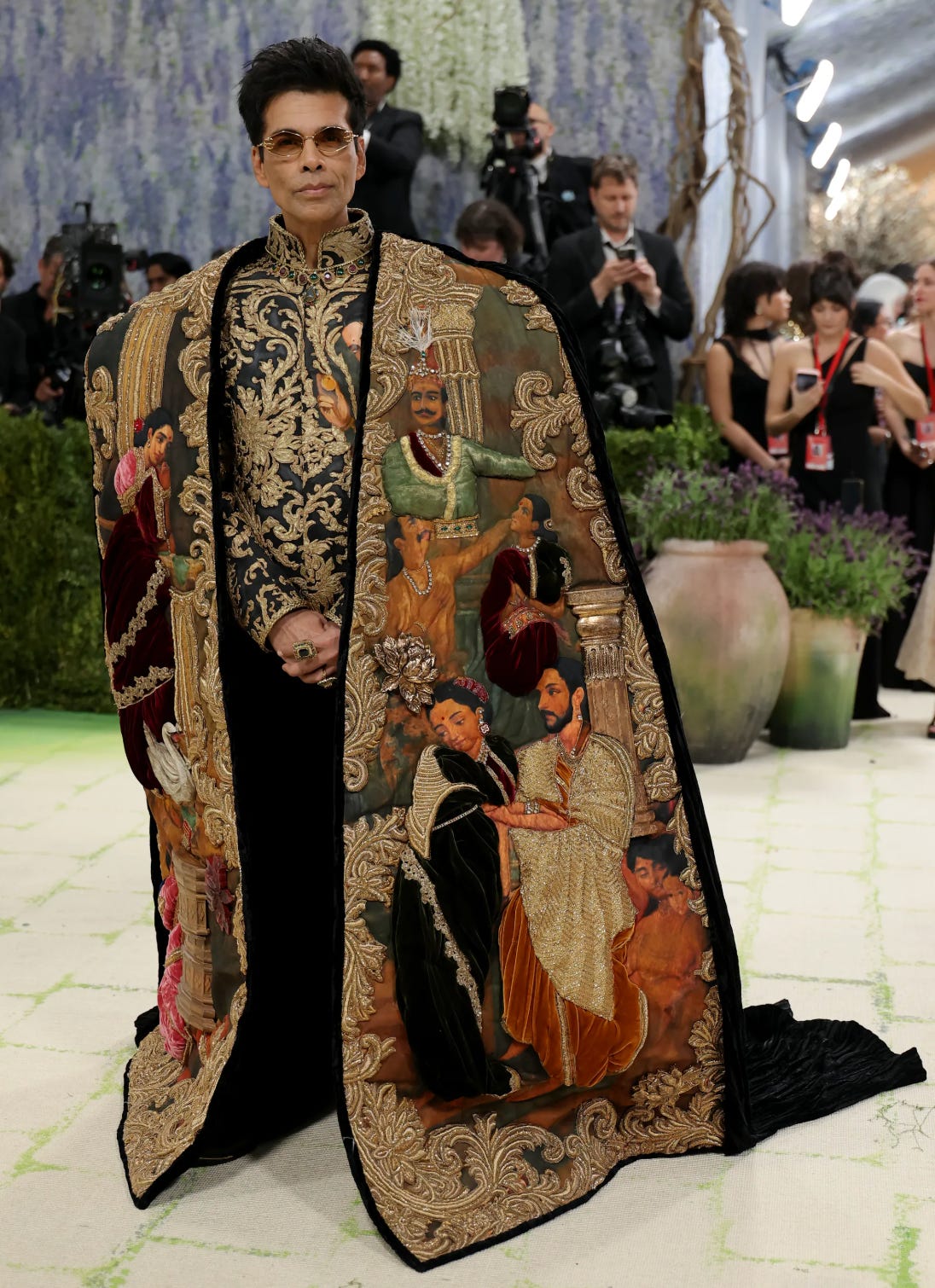
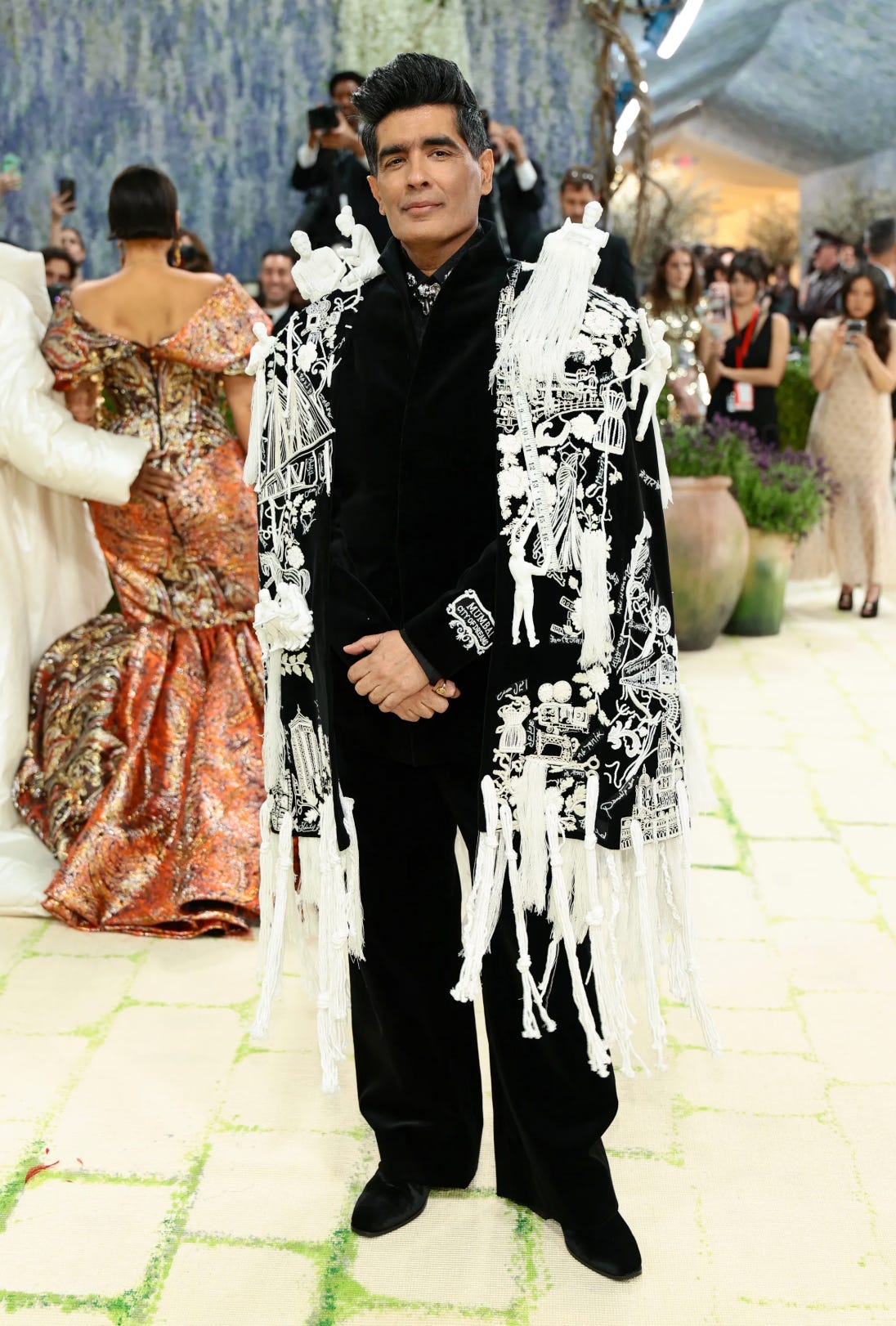
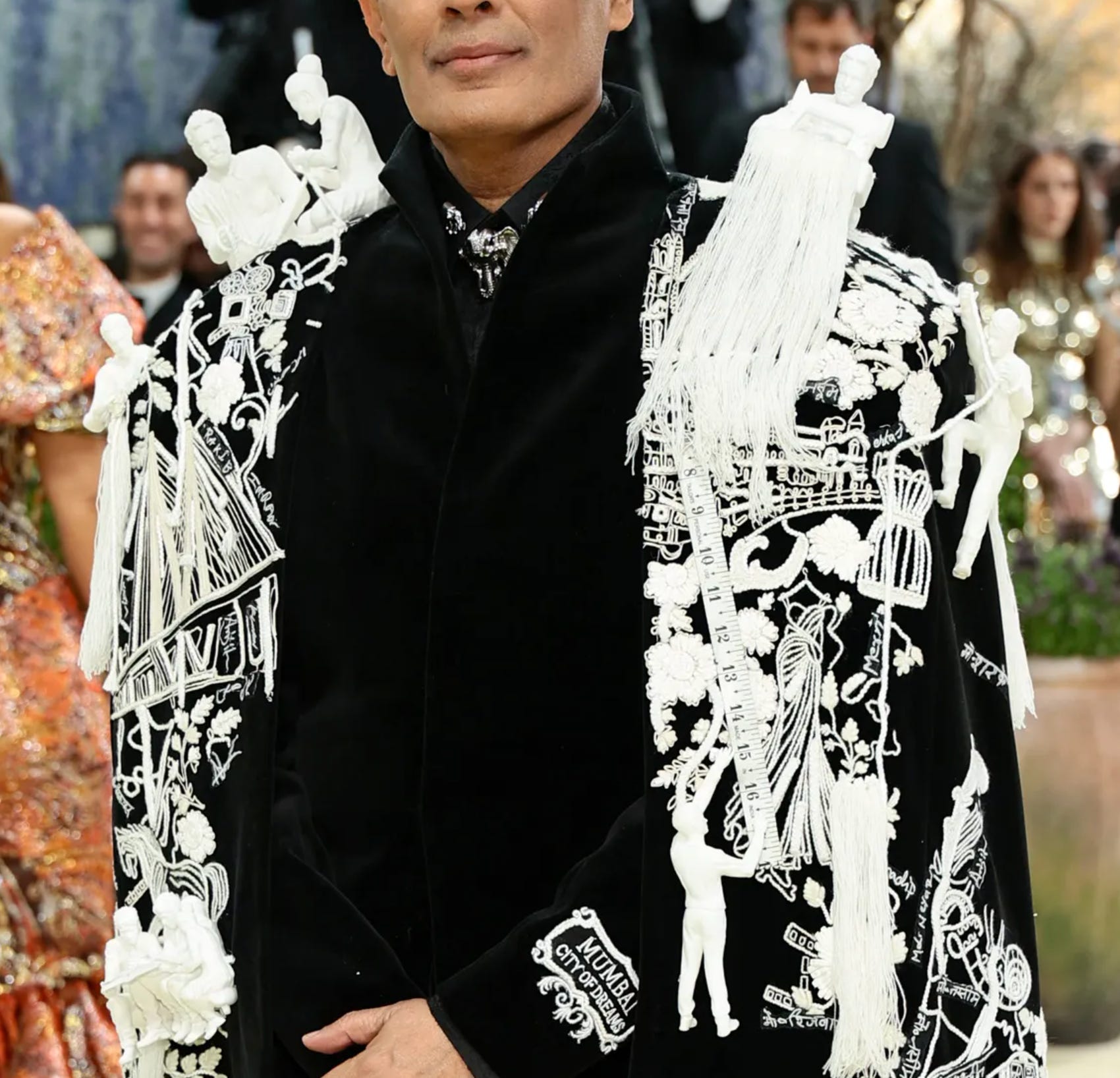
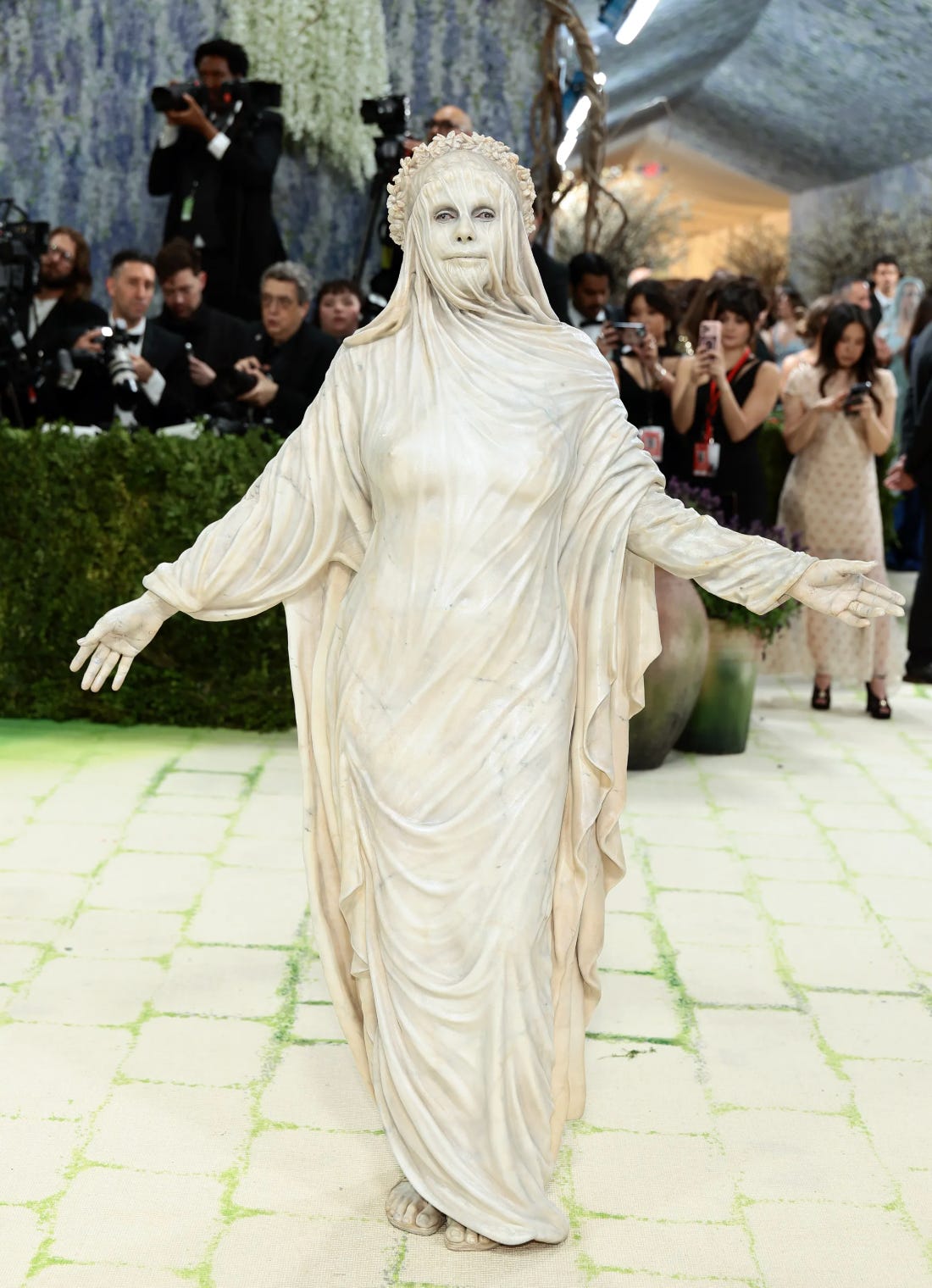
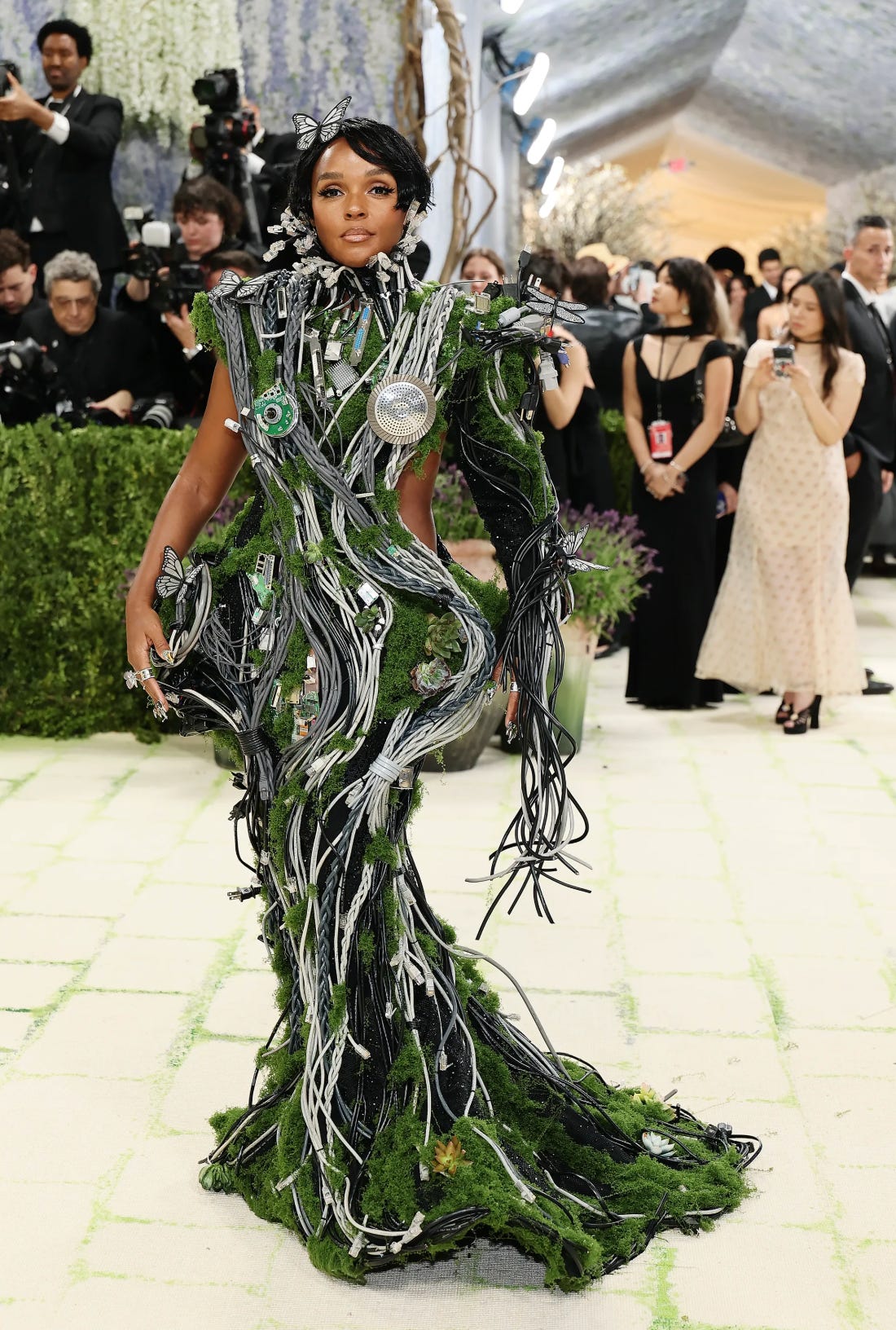
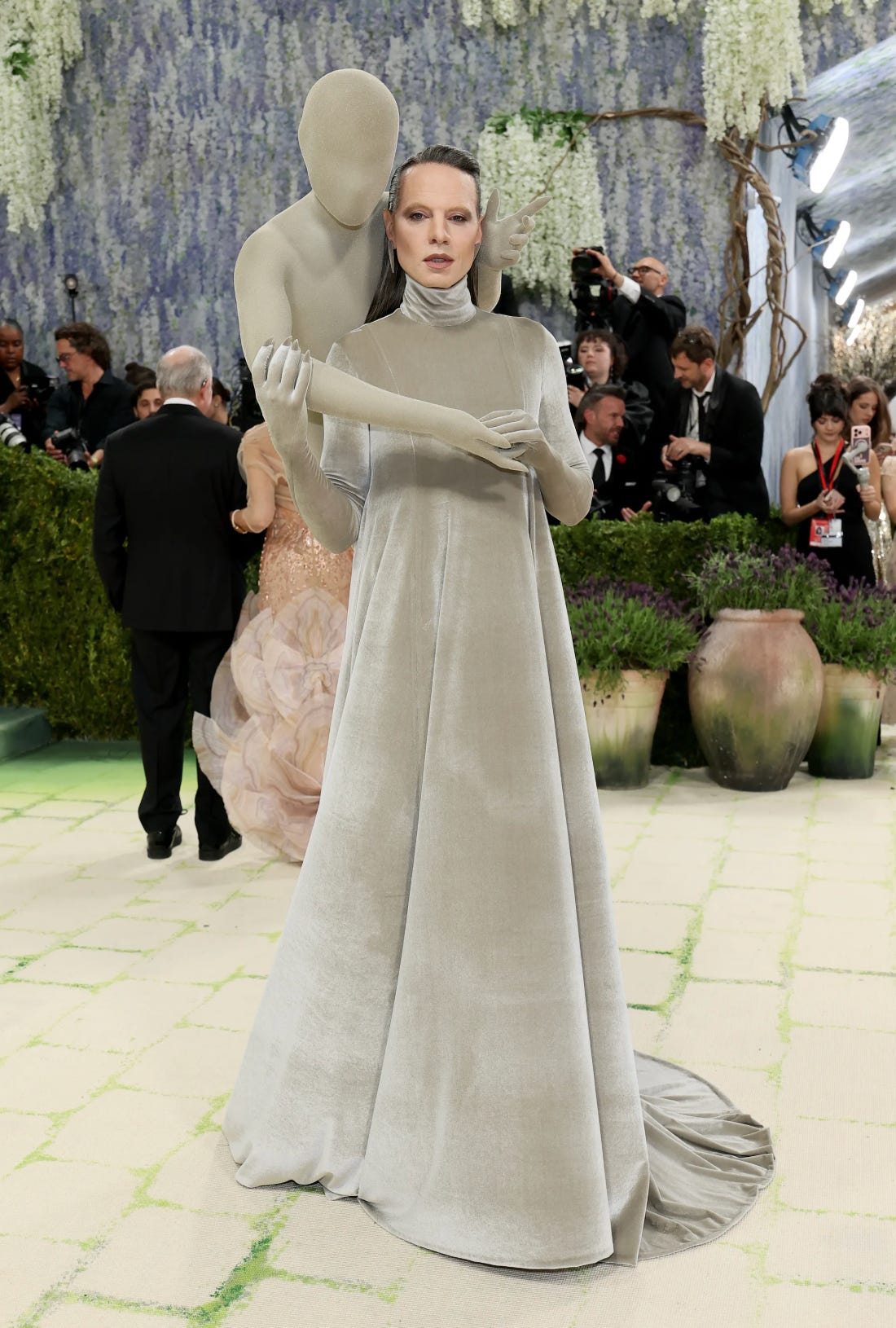
See a roundup of all the looks on Vogue.com.

